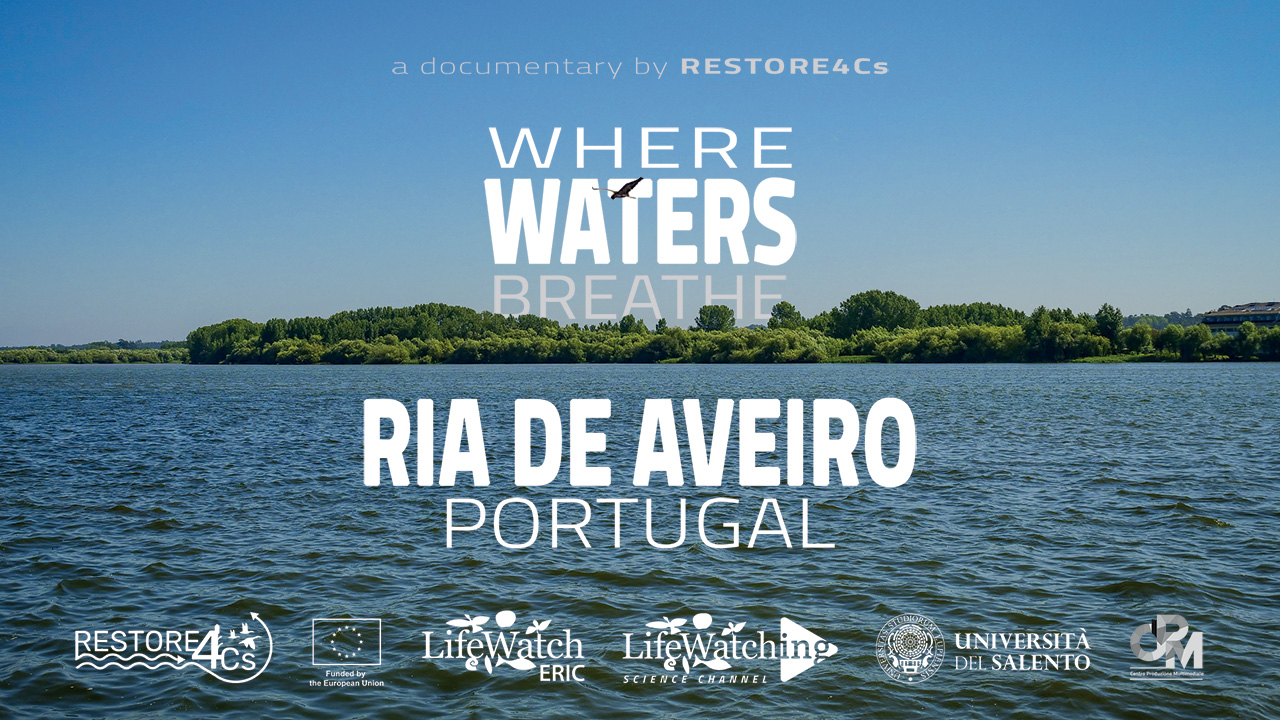
Where Waters Breathe | Ria de Aveiro – Portugal | Documentary
In the Ria de Aveiro, tides, salt and freshwater shape both nature and identity.
This episode of “Where Waters Breathe” explores how one of Portugal’s most emblematic lagoons is adapting to climate change, erosion and shifting livelihoods.
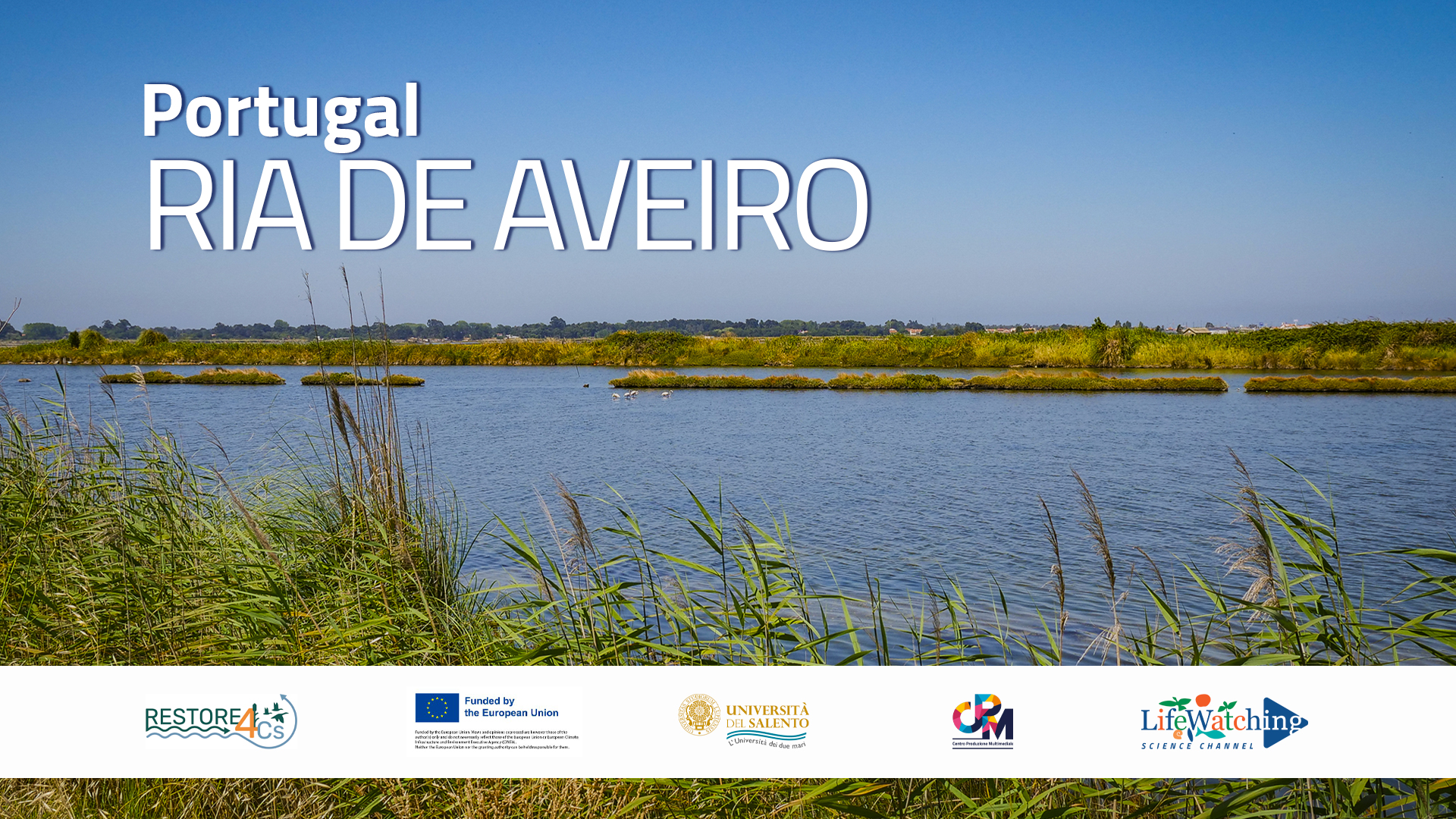
The Ria de Aveiro, in central Portugal, is a shallow coastal lagoon where freshwater from the Vouga River meets Atlantic tides through a single ocean inlet. Covering around 11,000 hectares, it forms a complex mosaic of salt marshes, mudflats, seagrass meadows, dunes, bocage farmland and freshwater lagoons, one of Europe’s most diverse coastal wetland systems.
Classified under the Natura 2000 network and including Ramsar and Natural Reserve sites, the Ria de Aveiro is both a biodiversity hotspot and a socio-ecological landscape supporting 356,000 residents across ten municipalities. Traditional activities – fishing, shellfish gathering, salt production and agriculture – coexist with industrial development, tourism and growing recreational use.
In this episode, fishermen, salt workers, forest managers, sports coaches, environmental educators and scientists share how the lagoon has changed over decades. While pollution has declined, other pressures have intensified: stronger tidal dynamics, increased saltwater intrusion, erosion of banks and disappearance of salt pans and seagrass habitats. Channels deepen and widen, islands shrink, and historic habitats for species such as the European eel have declined.
Climate change intensifies these challenges. Prolonged droughts, rising sea levels and altered hydrology reshape both the lagoon and the surrounding forests. Increased tidal prism and water velocities raise turbidity and fragment habitats, threatening marshes and Zostera seagrass beds that once stabilised sediments and sheltered marine life.
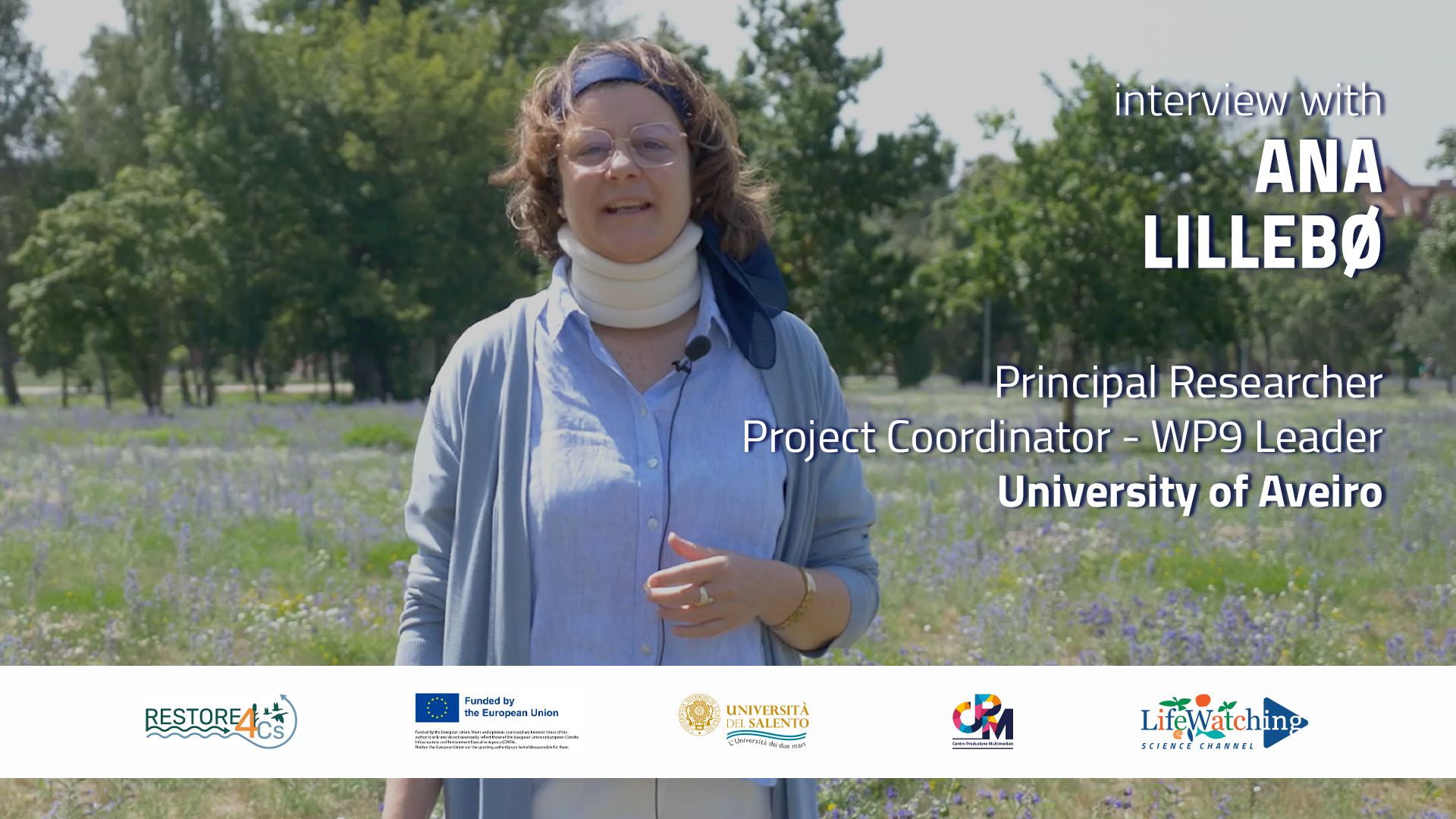
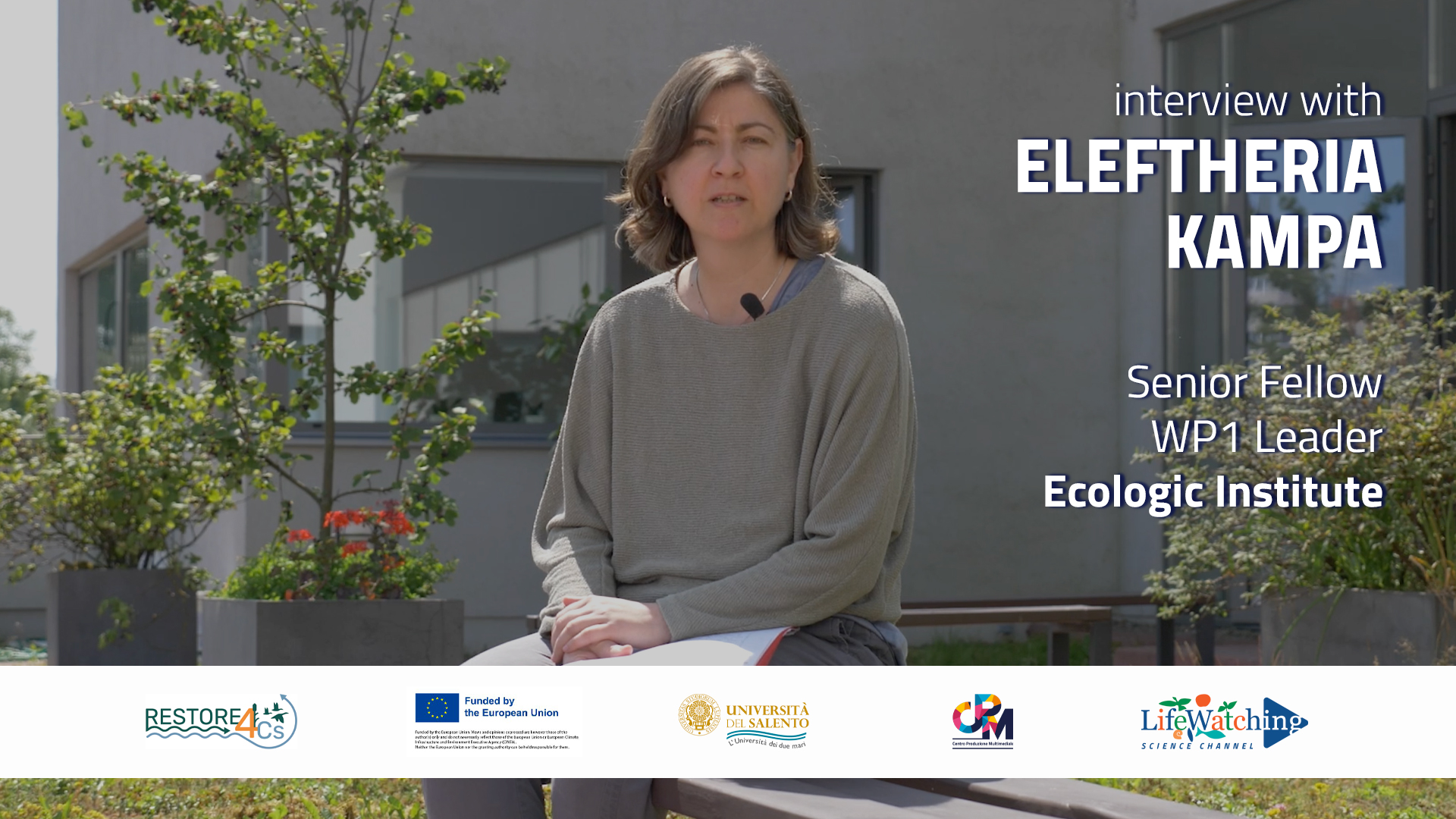
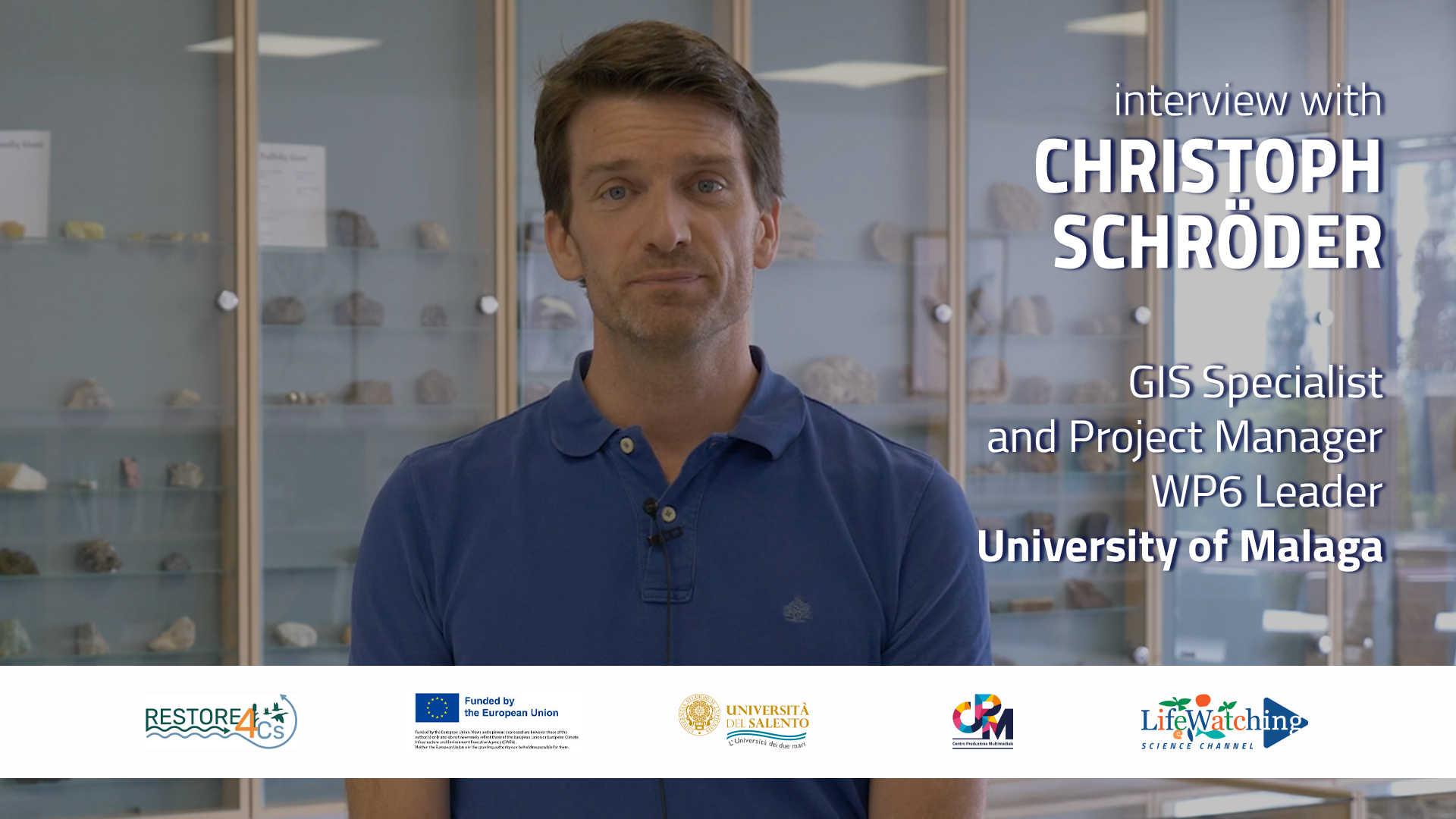
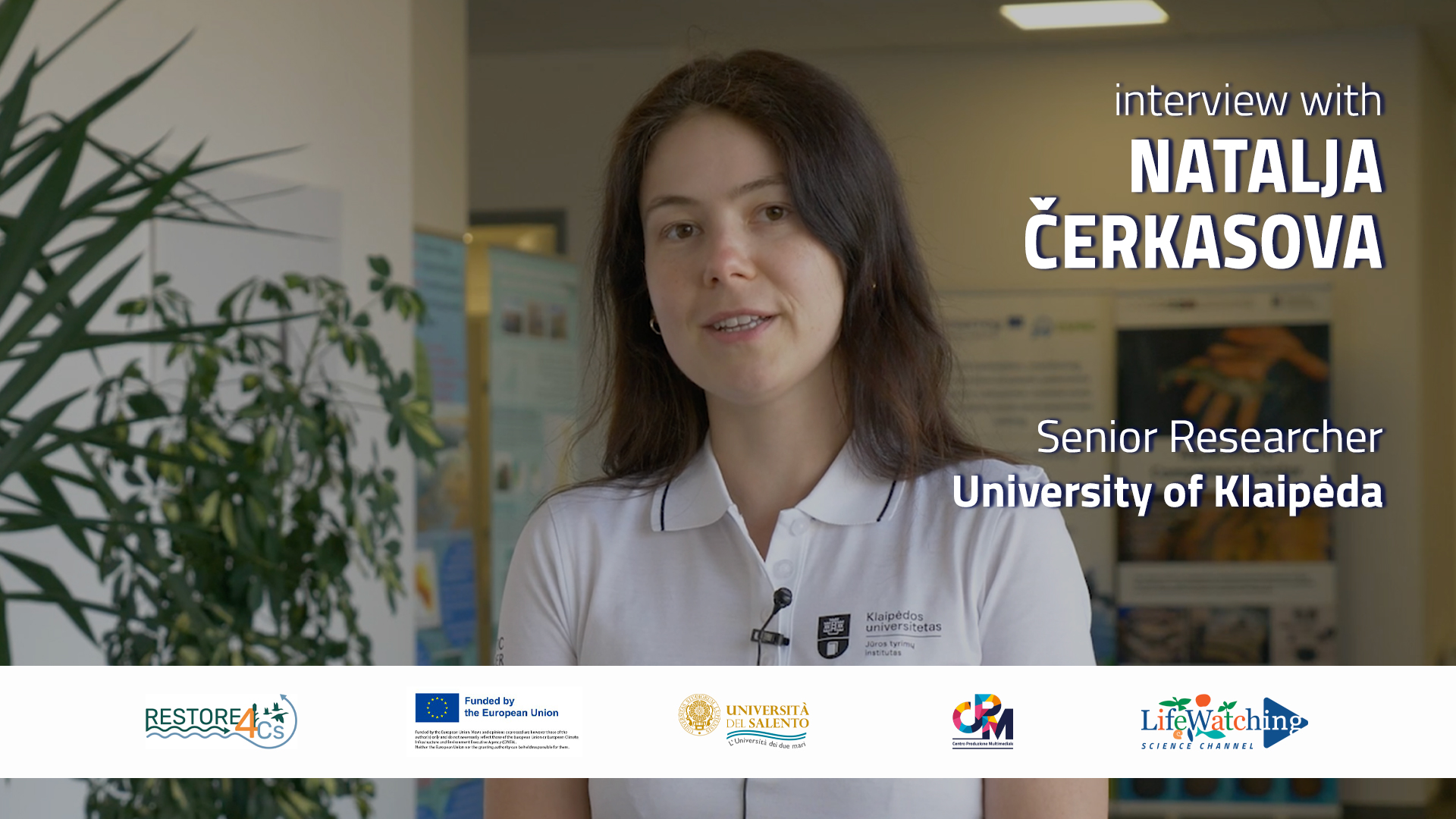
At the heart of the lagoon operates a long-term socio-ecological research platform (LTsER), turning the Ria into a real-time observatory. Within the RESTORE4Cs Case Pilot, researchers restore priority seagrass habitats and seasonally measure carbon storage and greenhouse gas exchanges – CO₂, CH₄ and N₂O – across preserved, altered and restored sites. These data feed GIS-based models that simulate future climate scenarios and evaluate how restoration can enhance blue carbon capacity, sediment stability and ecosystem resilience.
Beyond science, the episode highlights the importance of integrated governance and local engagement. Restoration efforts rely not only on monitoring and modelling, but also on citizen science, stakeholder dialogue and collaboration between universities, NGOs, municipalities and lagoon users. In the Ria de Aveiro, ecological recovery depends on reconnecting people with the lagoon – culturally, economically and emotionally.
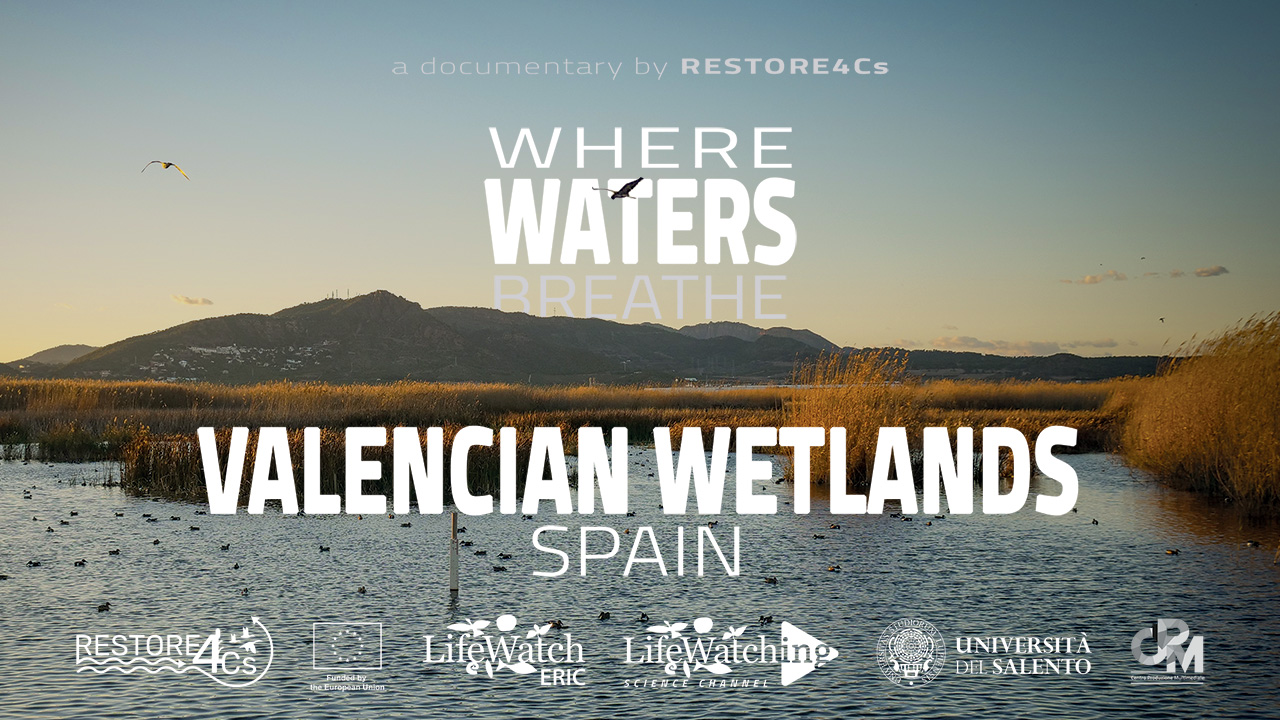
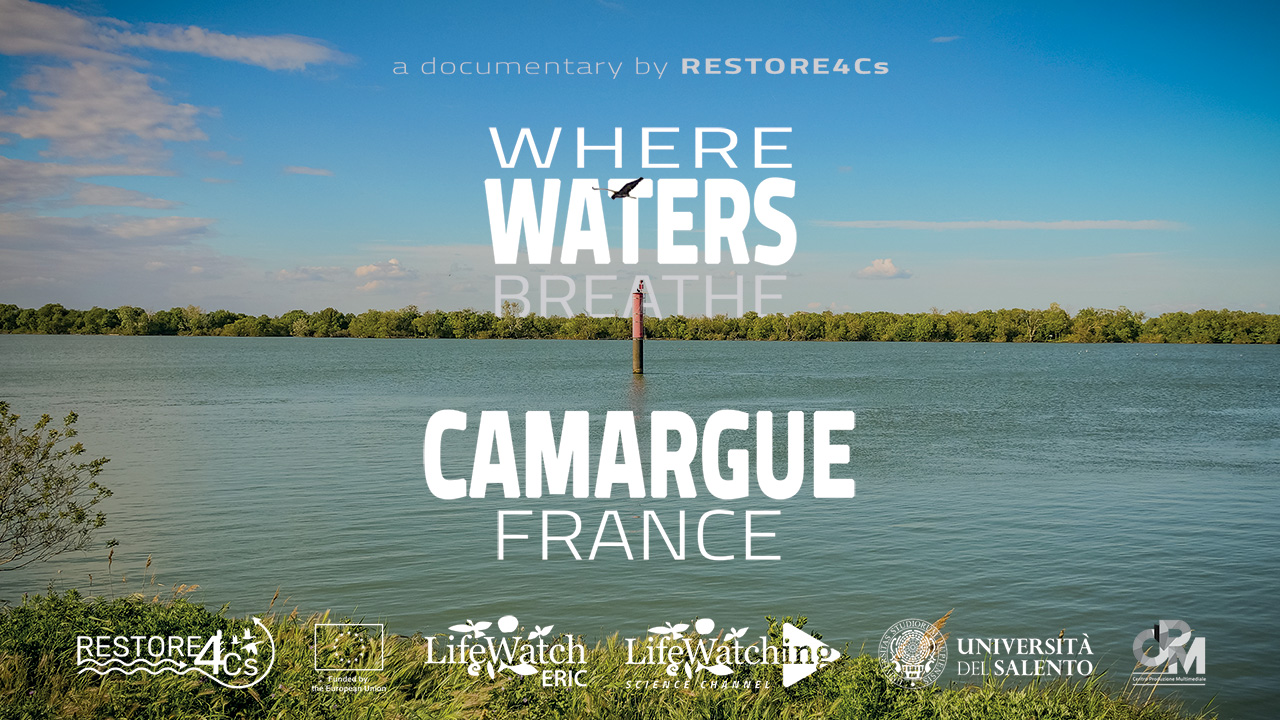
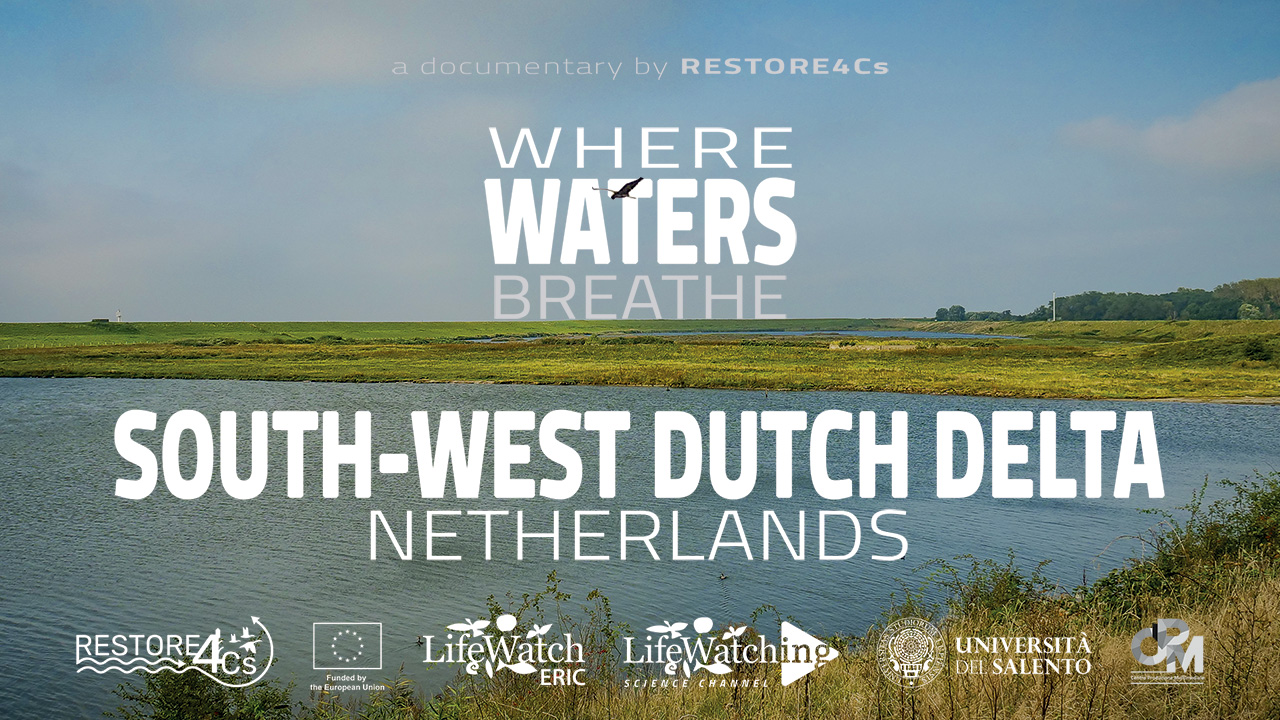
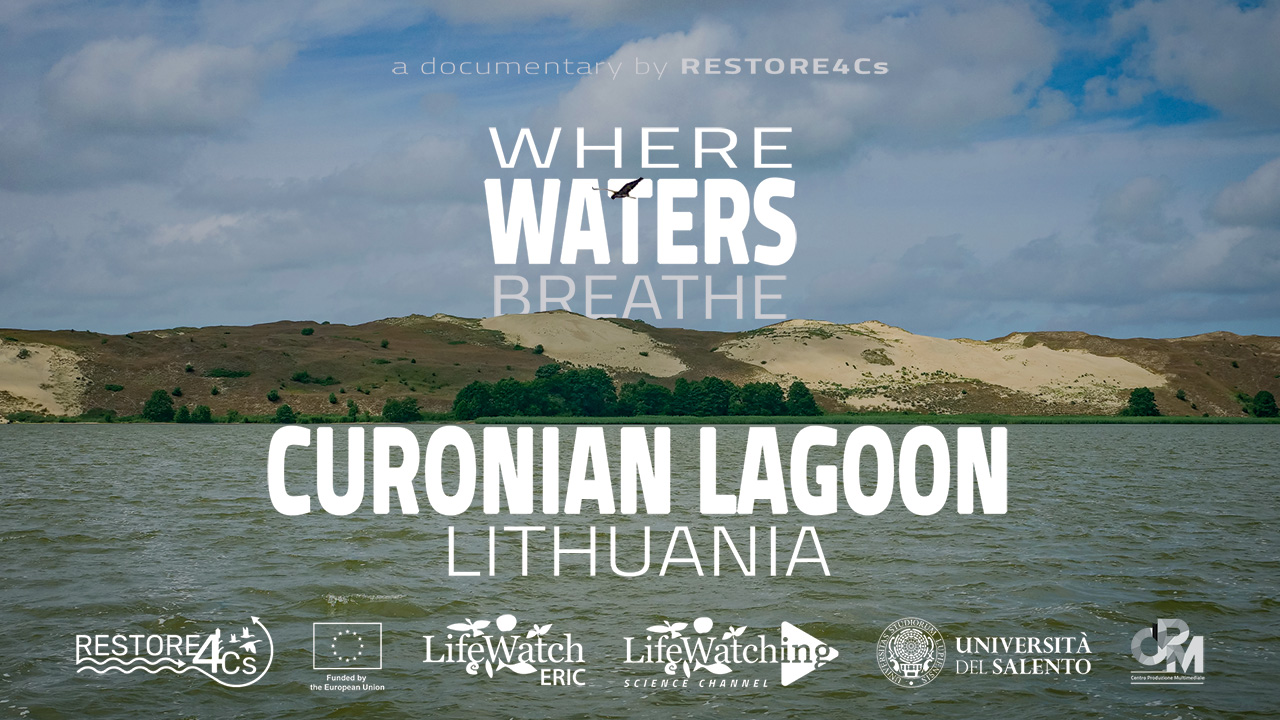
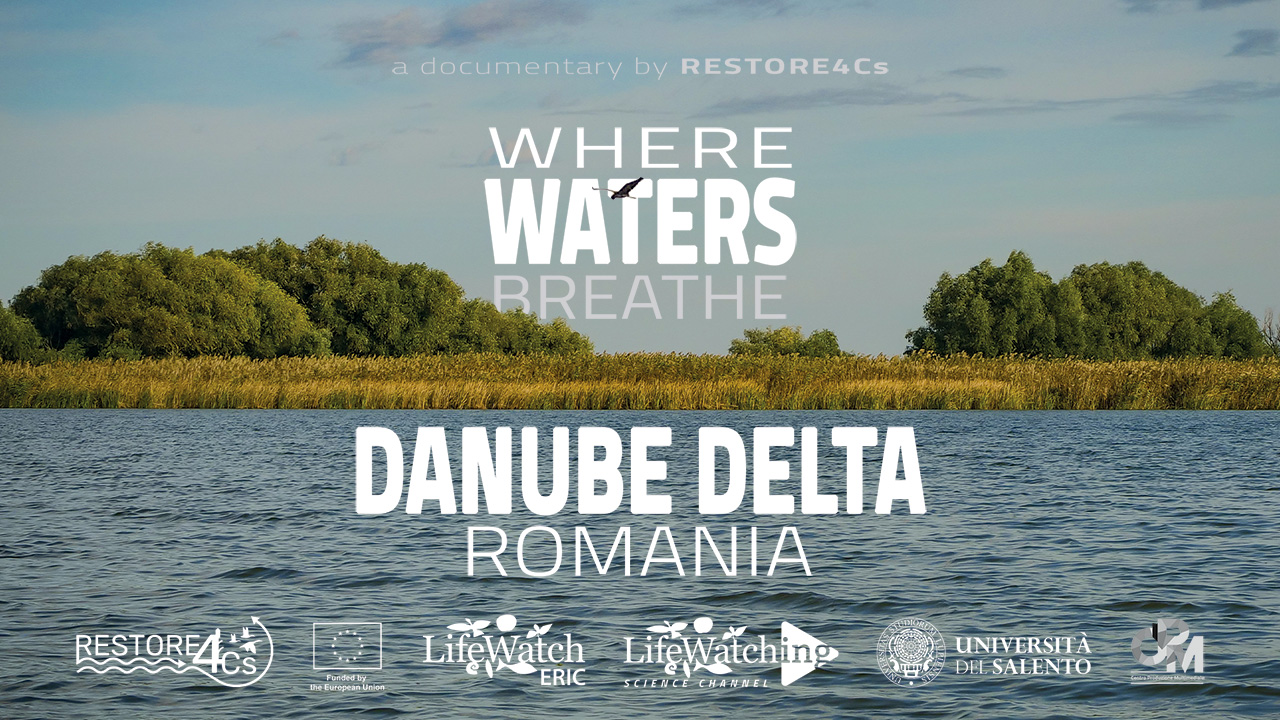
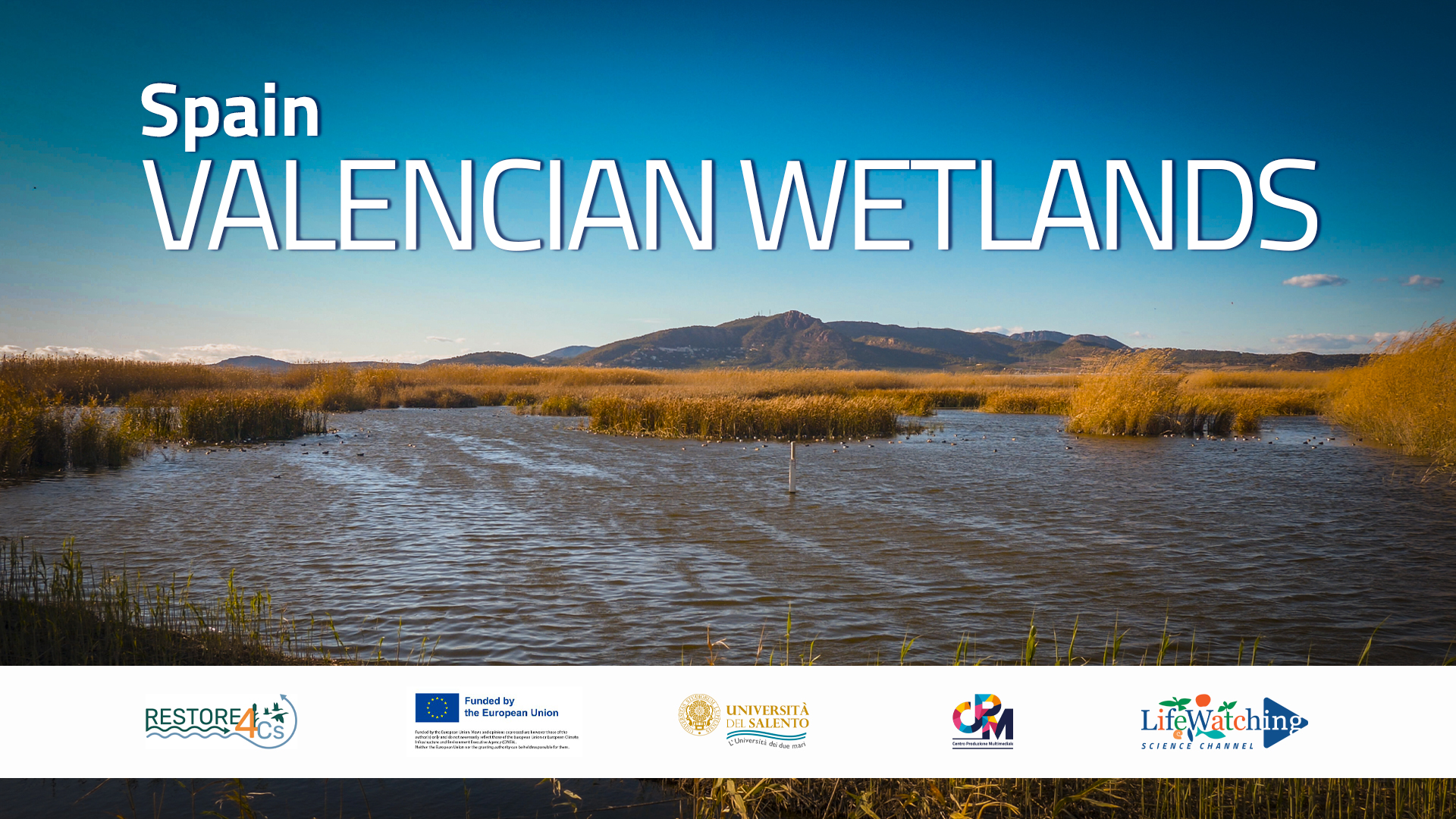
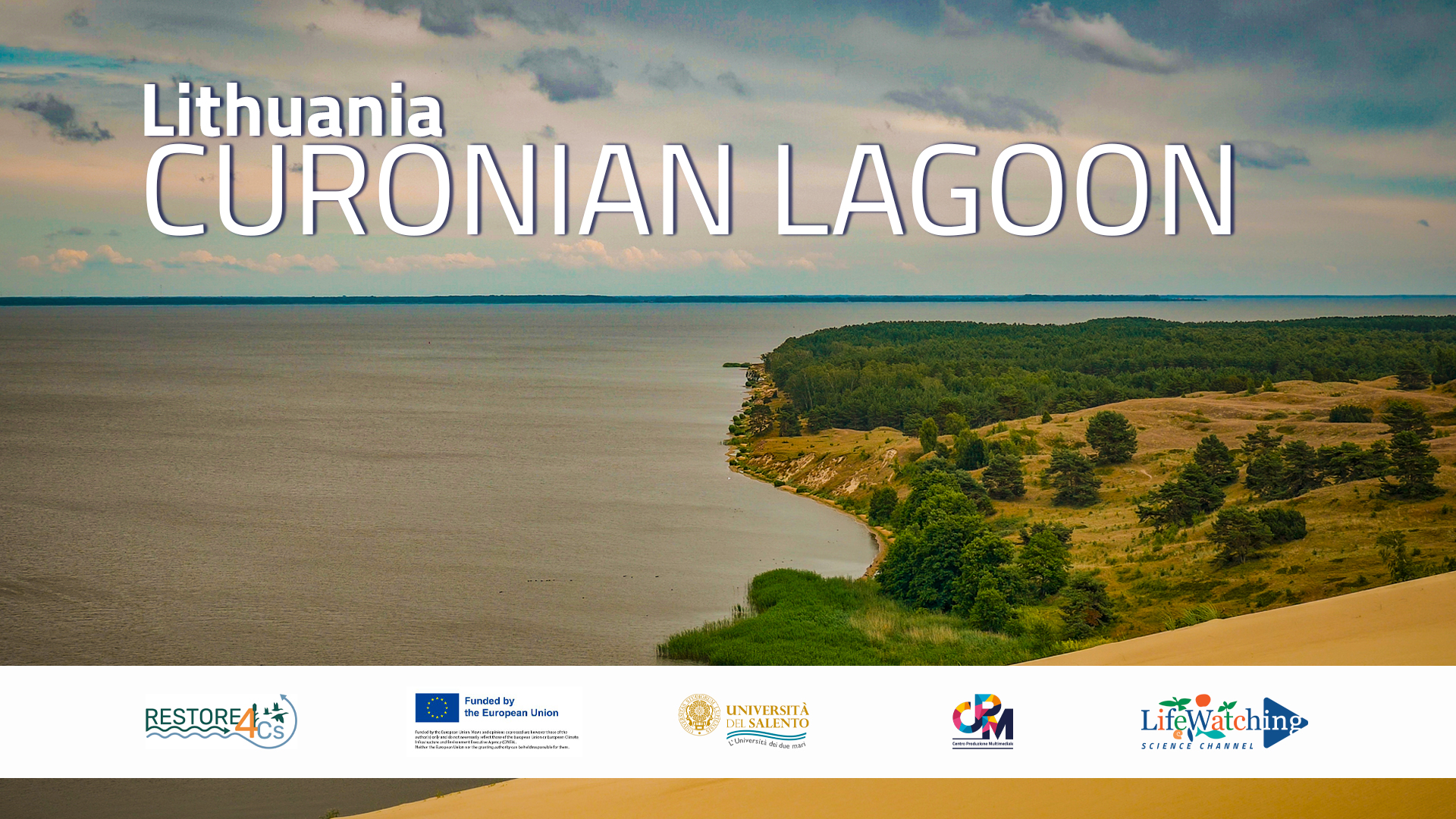
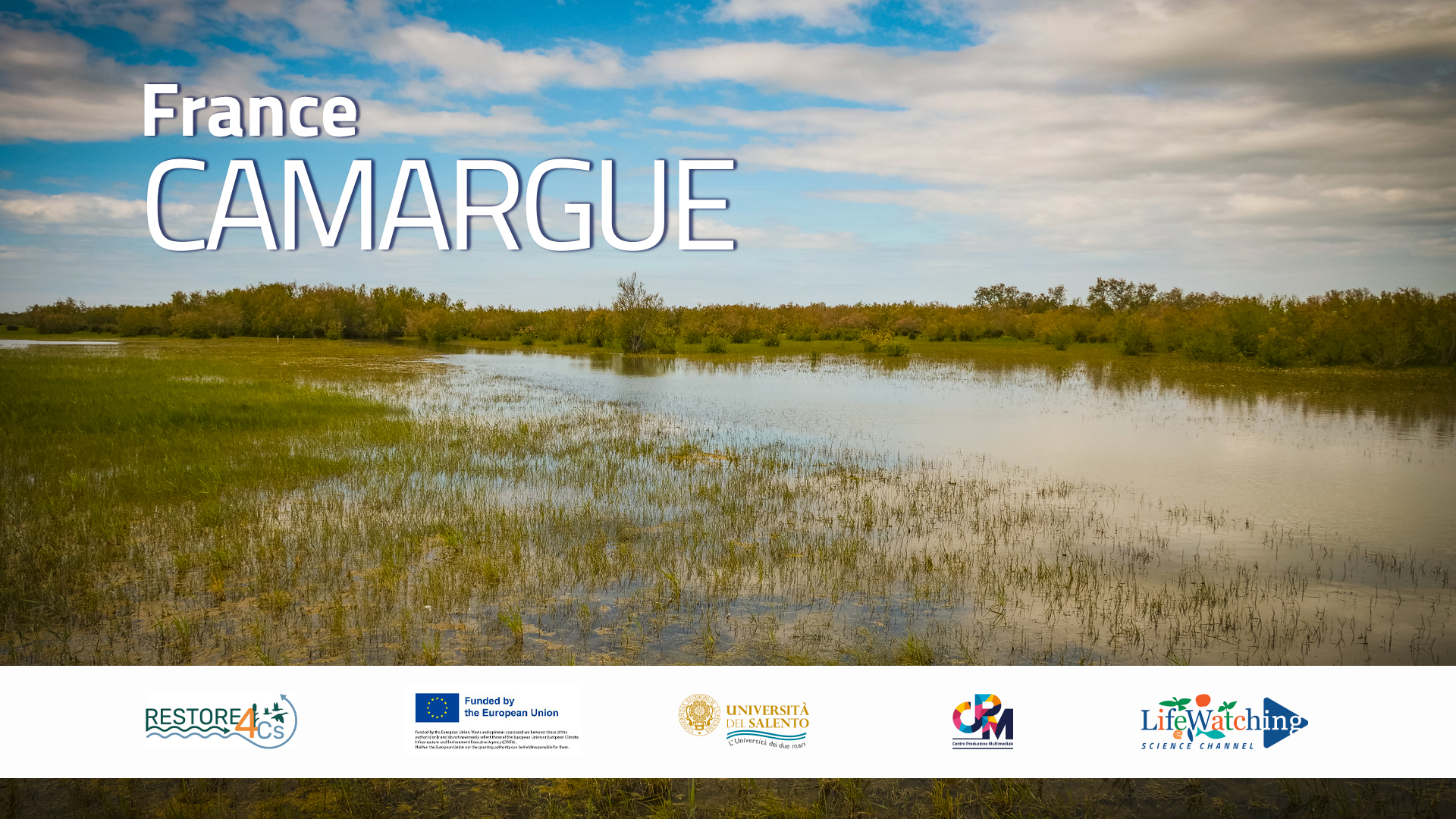
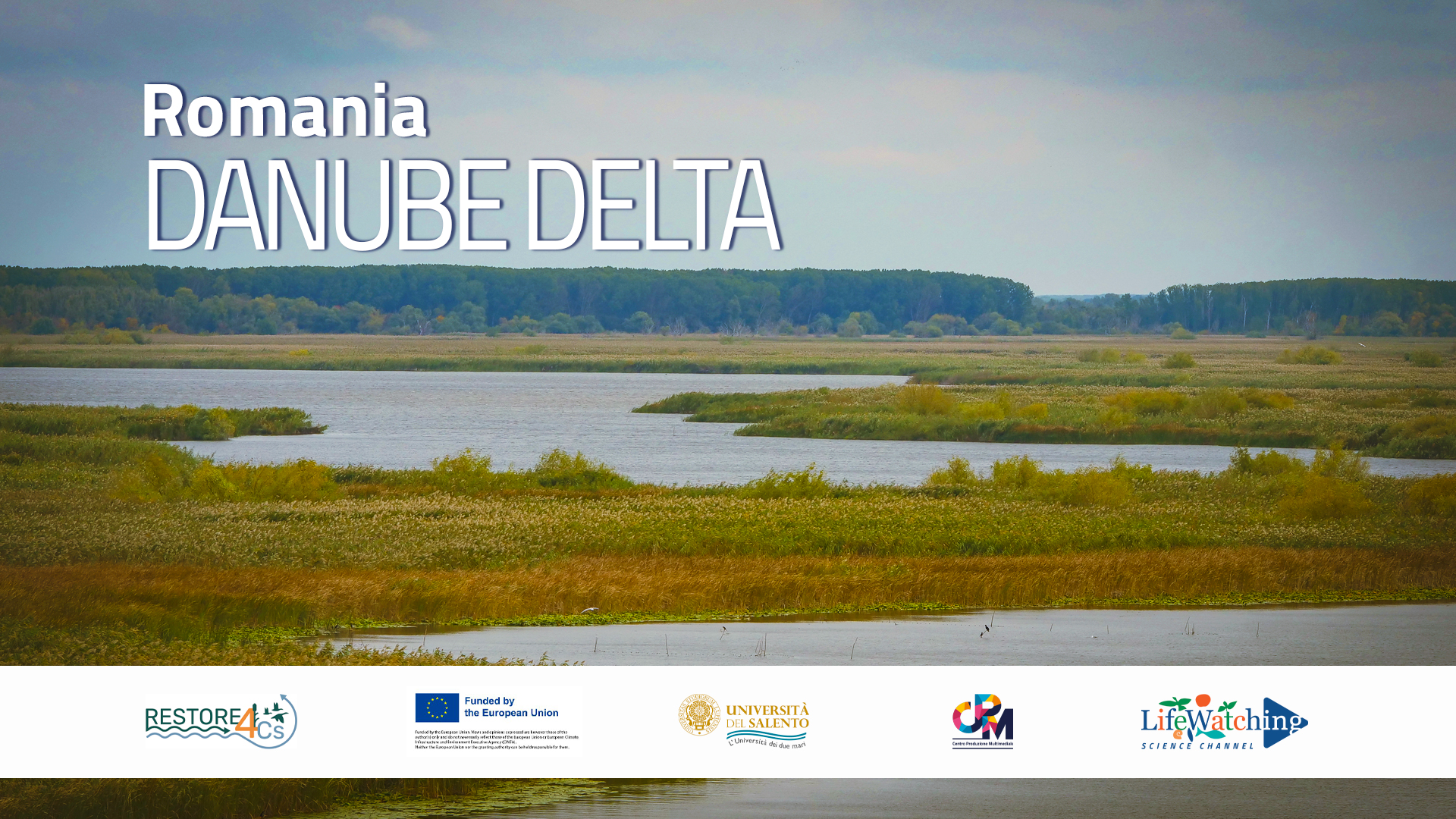
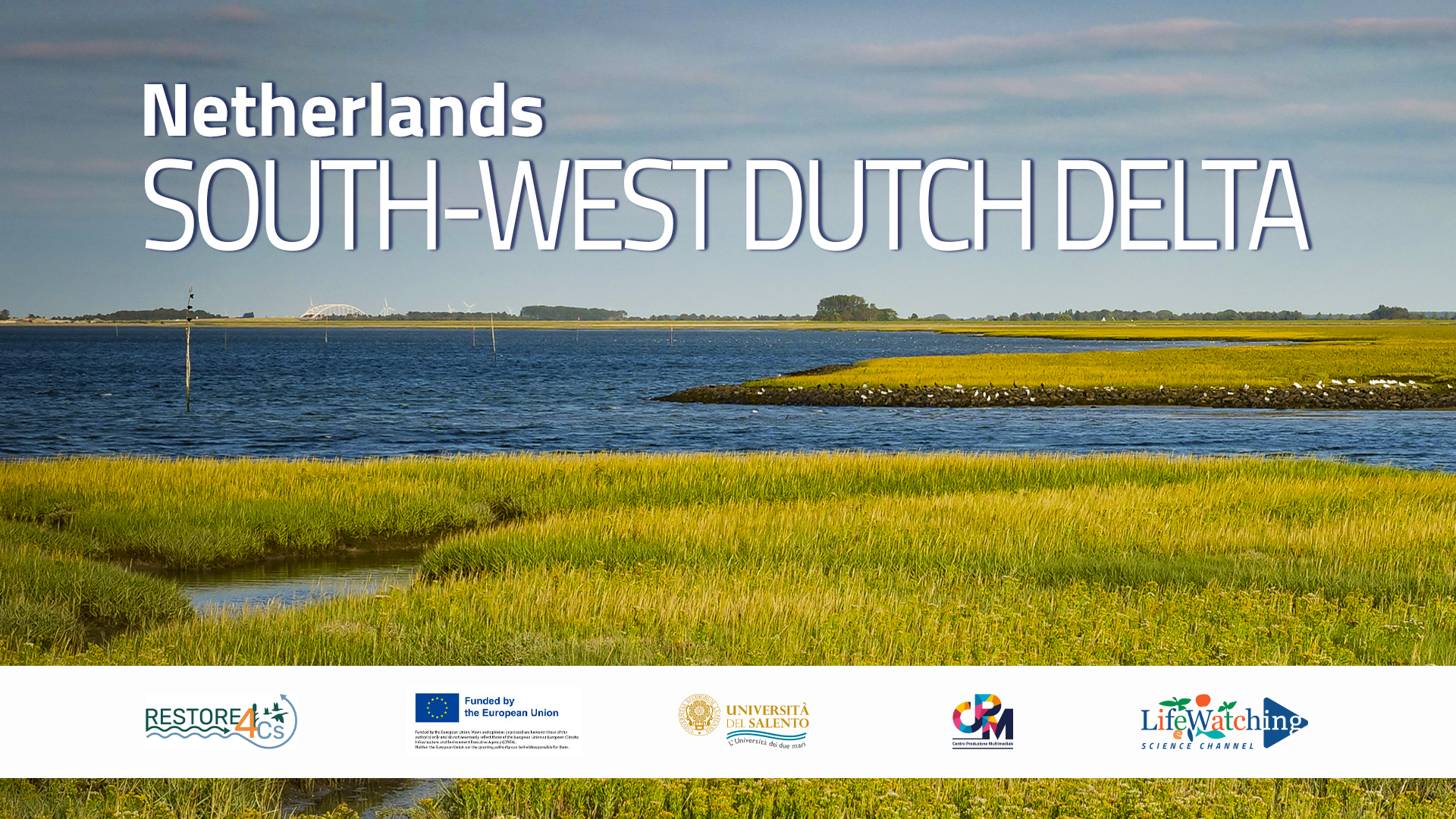
“Where Waters Breathe” is a visually rich documentary series that takes audiences to the living edge of Europe, where land, water, people, and climate meet. Developed within the EU-funded RESTORE4Cs project, this six-episode series journeys across some of Europe’s most emblematic coastal wetlands. From the Valencian Wetlands and the Camargue in the Mediterranean, to the Ria de Aveiro and the South-West Dutch Delta along the Atlantic coast, and onward to the Curonian Lagoon in the Baltic Sea and the Danube Delta in the Black Sea, each episode focuses on one RESTORE4Cs Case Pilot. Together, they showcase wetlands in different states of preservation, from well-conserved to heavily altered, and the diverse restoration solutions being tested and implemented across Europe.
Follow RESTORE4Cs’ Where Waters Breathe:
Website: https://www.restore4cs.eu/
LinkedIn: https://www.linkedin.com/company/restore4c
BlueSky: https://bsky.app/profile/restore4cs.bsky.social
Instagram: https://www.instagram.com/restore4cs/