Where Waters Breathe | Curonian Lagoon – Lithuania | Documentary
What happens when too many nutrients enter a shallow coastal lagoon?
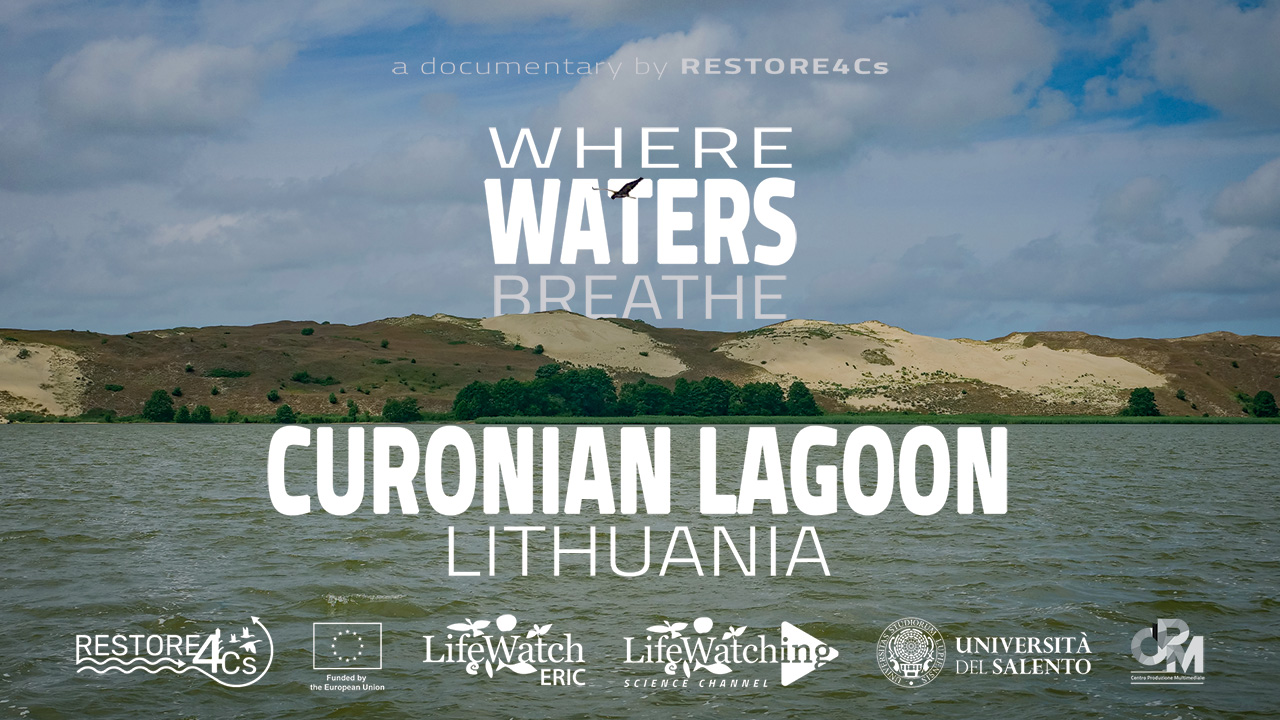
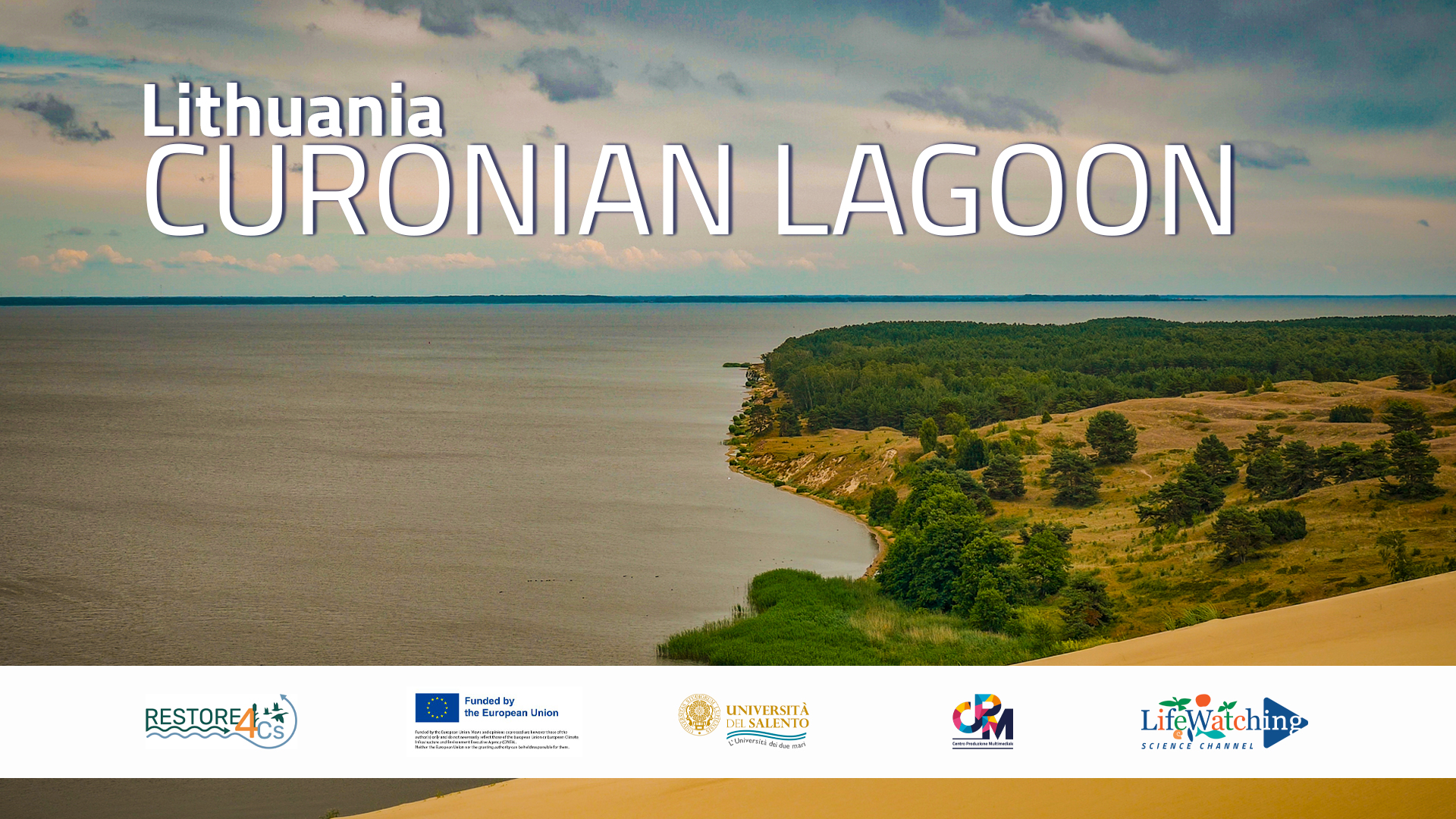
In this episode of “Where Waters Breathe”, we explore the Curonian Lagoon, Europe’s largest coastal lagoon, where eutrophication, climate change and cross-border governance collide.
The Curonian Lagoon, stretching across Lithuania and Russia, is one of the most eutrophication-sensitive ecosystems in the Baltic region. Shallow, wide and highly dynamic, the lagoon receives massive inflows of freshwater, sediment and nutrients from the Nemunas River, creating conditions that fuel intense late-summer cyanobacteria blooms.
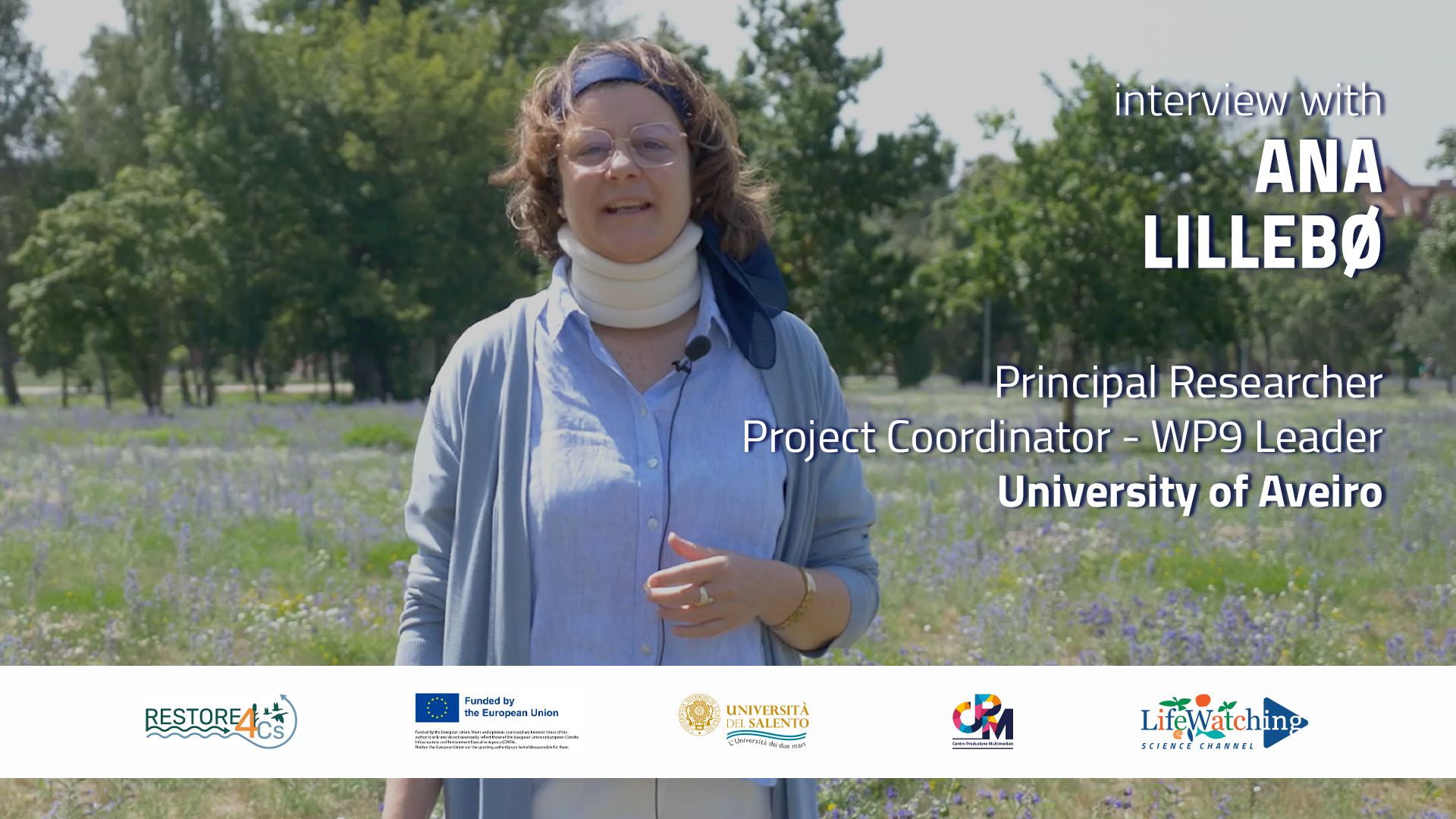
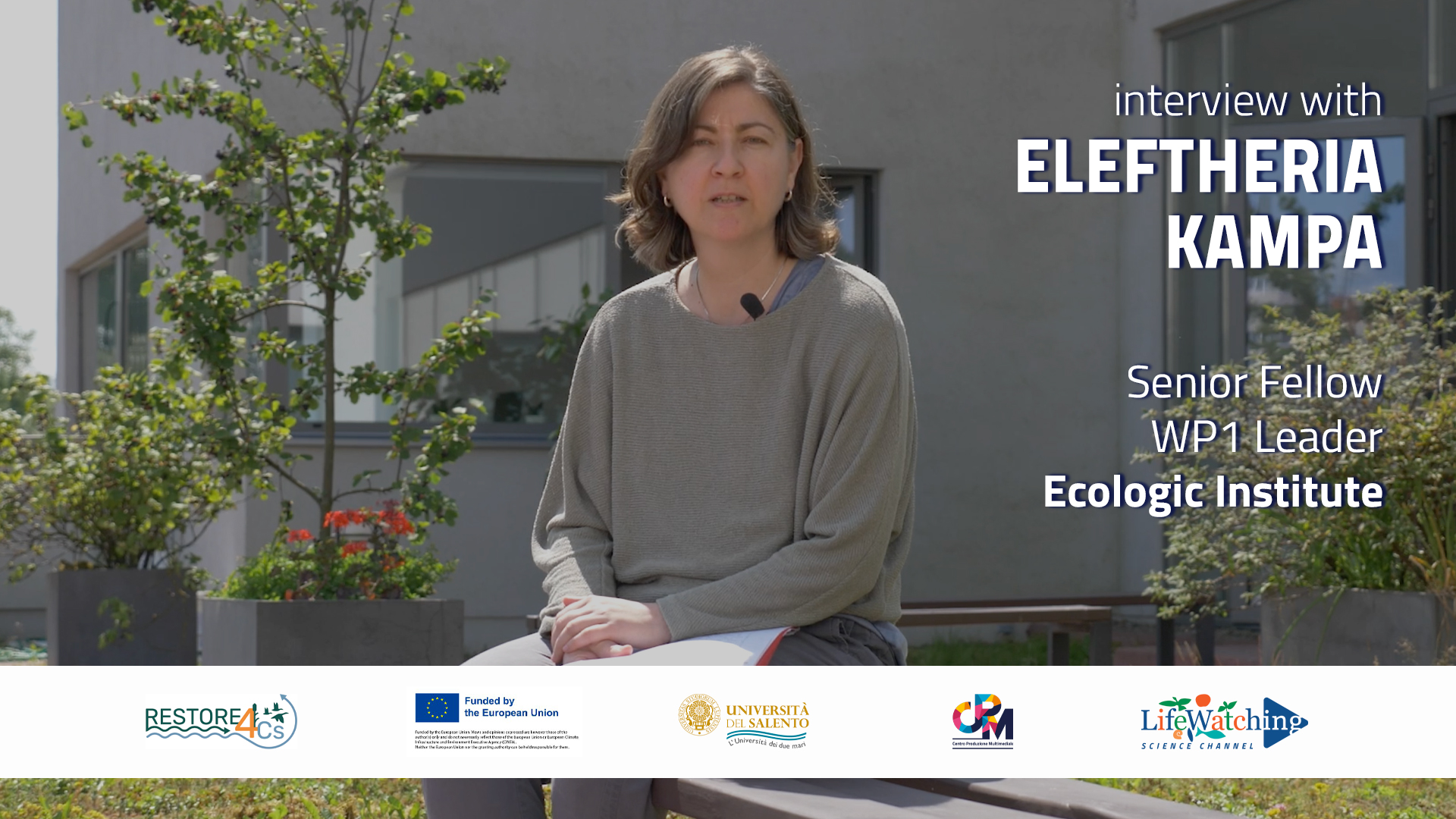
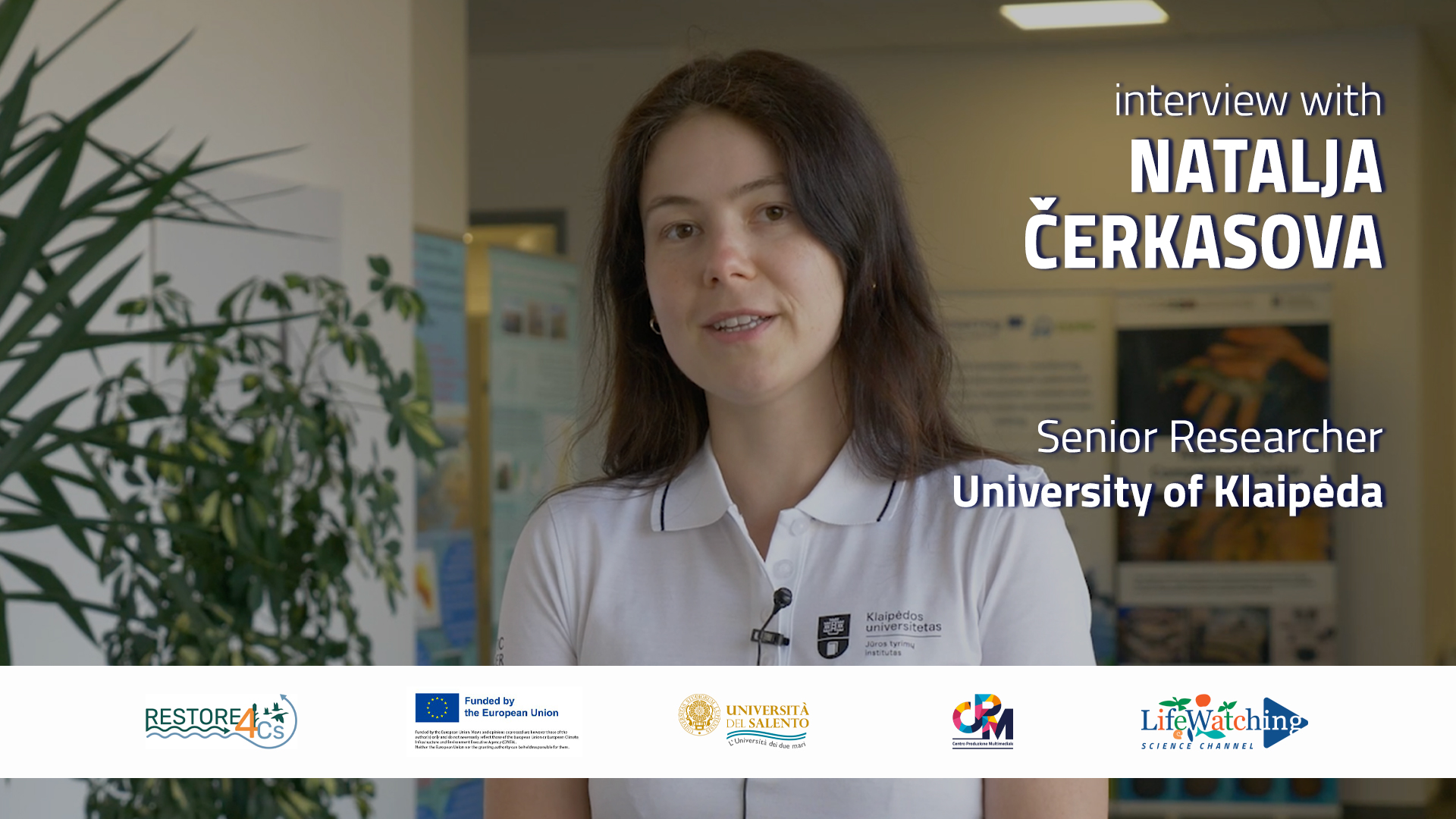
In this episode, researchers reflect on how decades of human pressure have reshaped the lagoon. During the Soviet period, uncontrolled agricultural and industrial inputs severely degraded water quality. Since Lithuania joined the European Union, new water quality measures have been implemented, leading to visible improvements in some restored areas – including clearer water, deeper aquatic vegetation and renewed recreational use. Yet monitoring data and satellite observations show that much of the lagoon still fails to reach good ecological status.
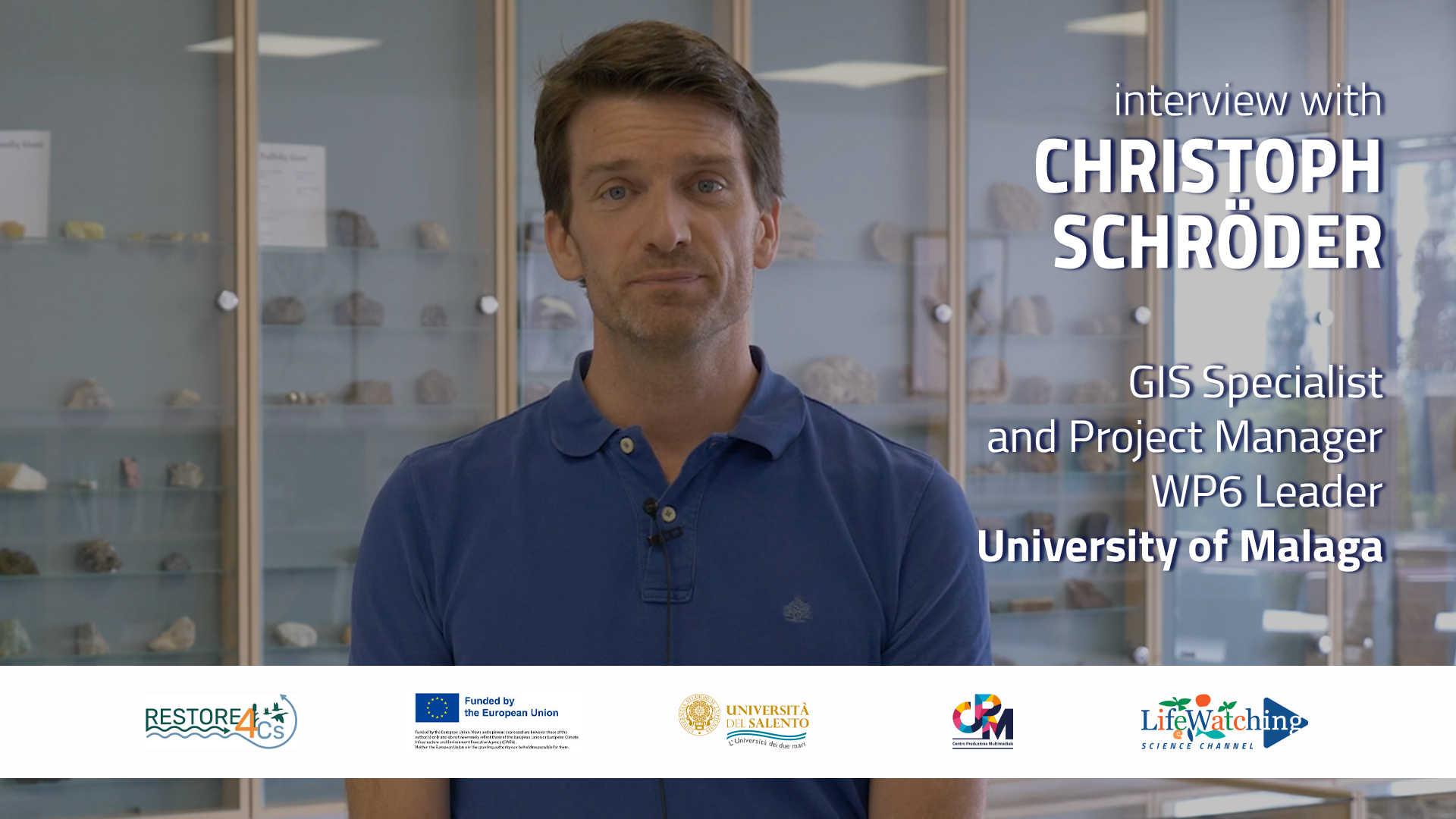
The documentary follows scientists working to understand nutrient cycling and eutrophication processes in the lagoon. Rather than relying only on costly trial-and-error interventions, the team uses ecological models to simulate restoration scenarios and predict which measures could most effectively reduce nutrient loads, limit harmful algal blooms and lower greenhouse gas emissions. These tools help identify solutions that can be applied not only locally, but across similar coastal systems in Europe.
The film also highlights the lagoon’s broader ecological and social context. At its southern edge, the Nemunas Delta – a RAMSAR-protected wetland on the East Atlantic Flyway – supports rich biodiversity and long-standing human activities, from farming and fishing to ecotourism. Along the western shore, the Curonian Spit’s iconic dunes and forests draw hundreds of thousands of visitors each year, even as warming waters, invasive species and shifting salinity signal rapid environmental change.
A key challenge emerges clearly: the Curonian Lagoon is a shared ecosystem. With only part of the lagoon under Lithuanian jurisdiction, effective restoration depends on cross-border cooperation and coordinated management. The episode underscores how scientific knowledge, modelling and dialogue between neighbouring countries are essential to restoring water quality and building long-term resilience in one of Europe’s most emblematic coastal wetlands.
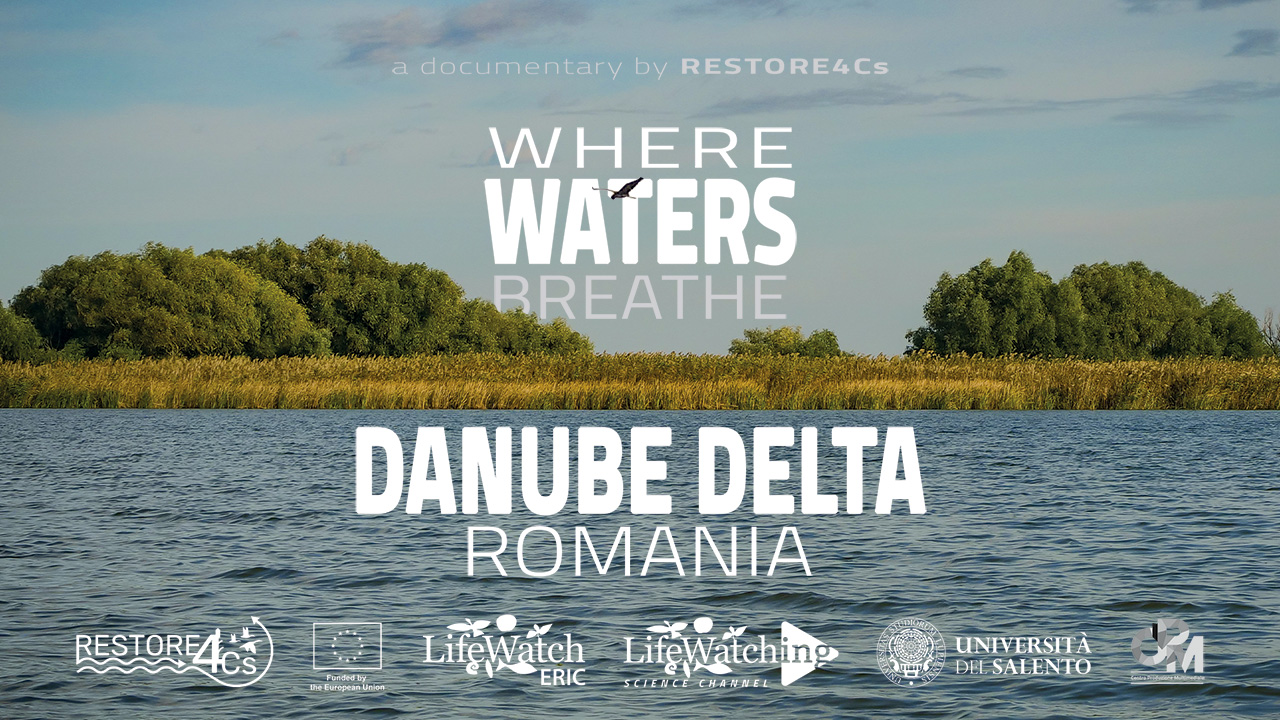
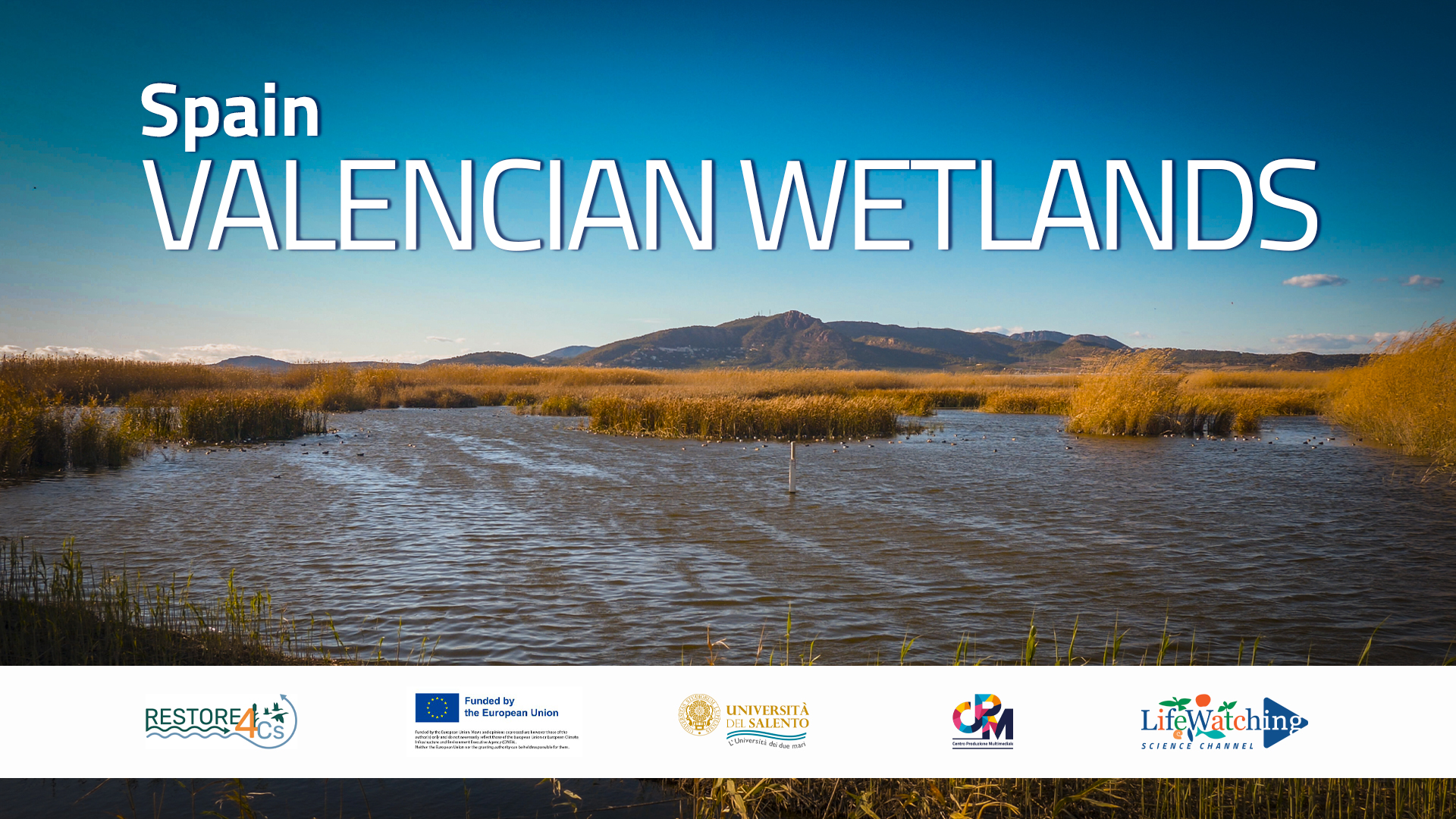
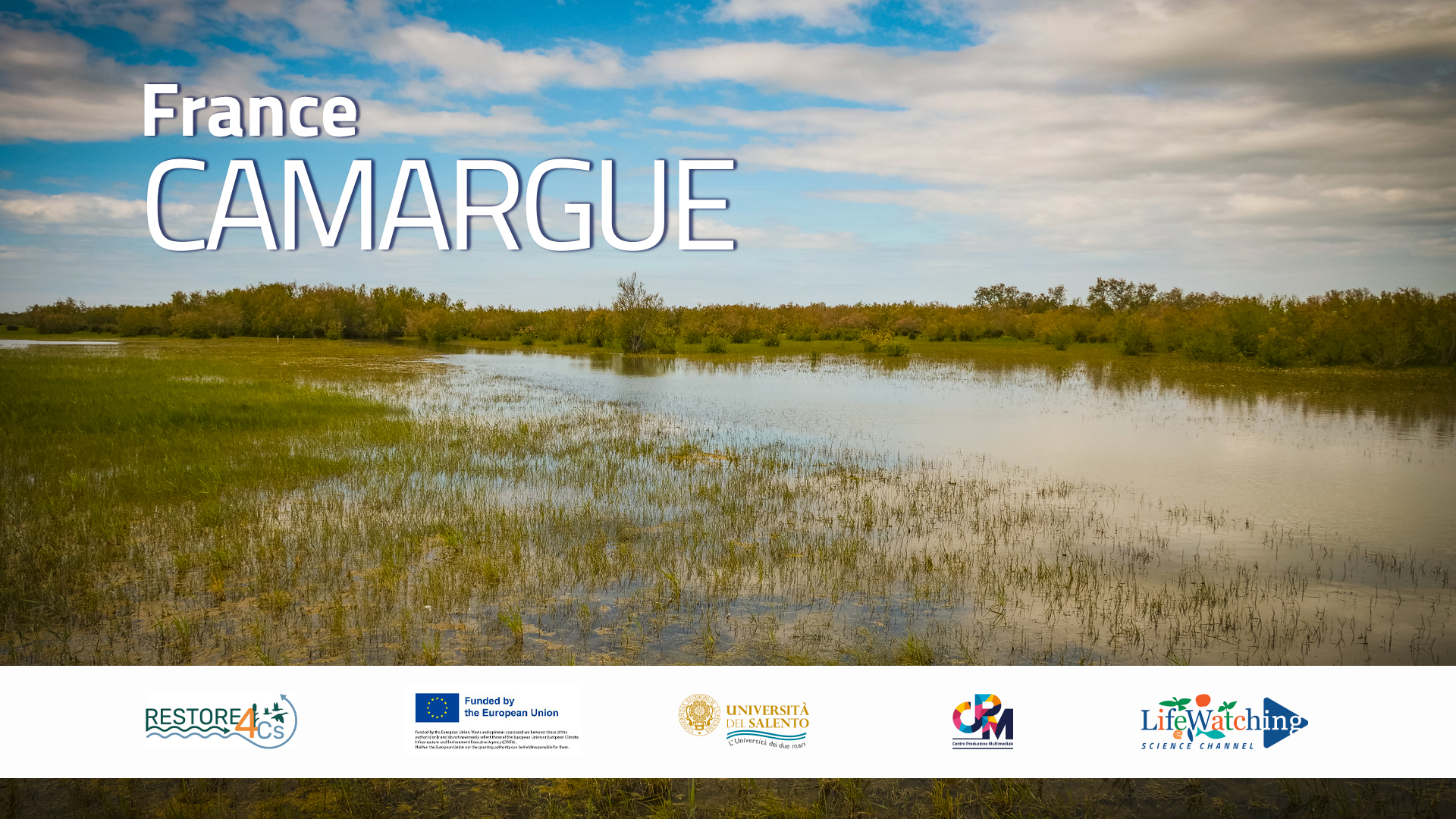
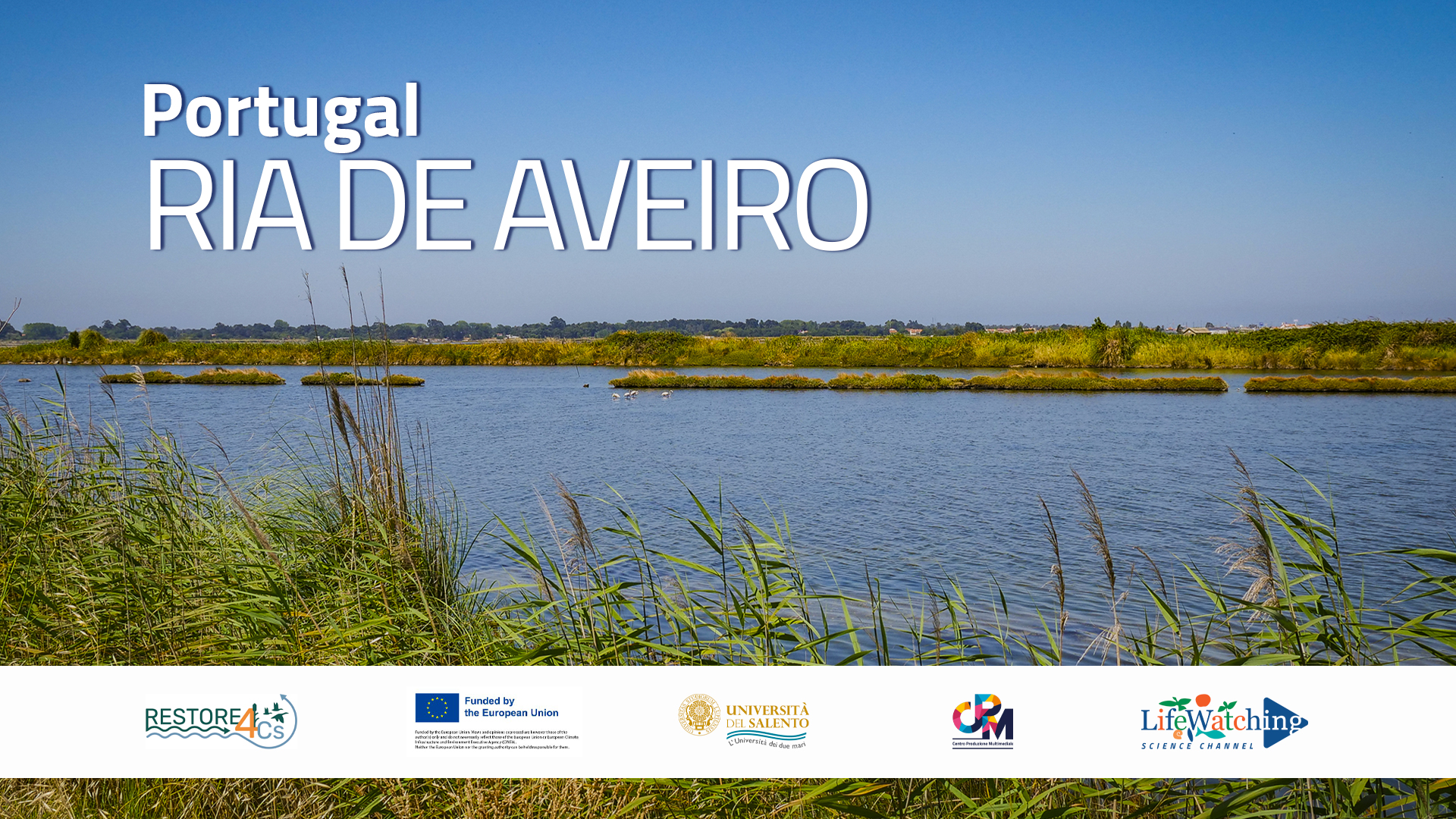
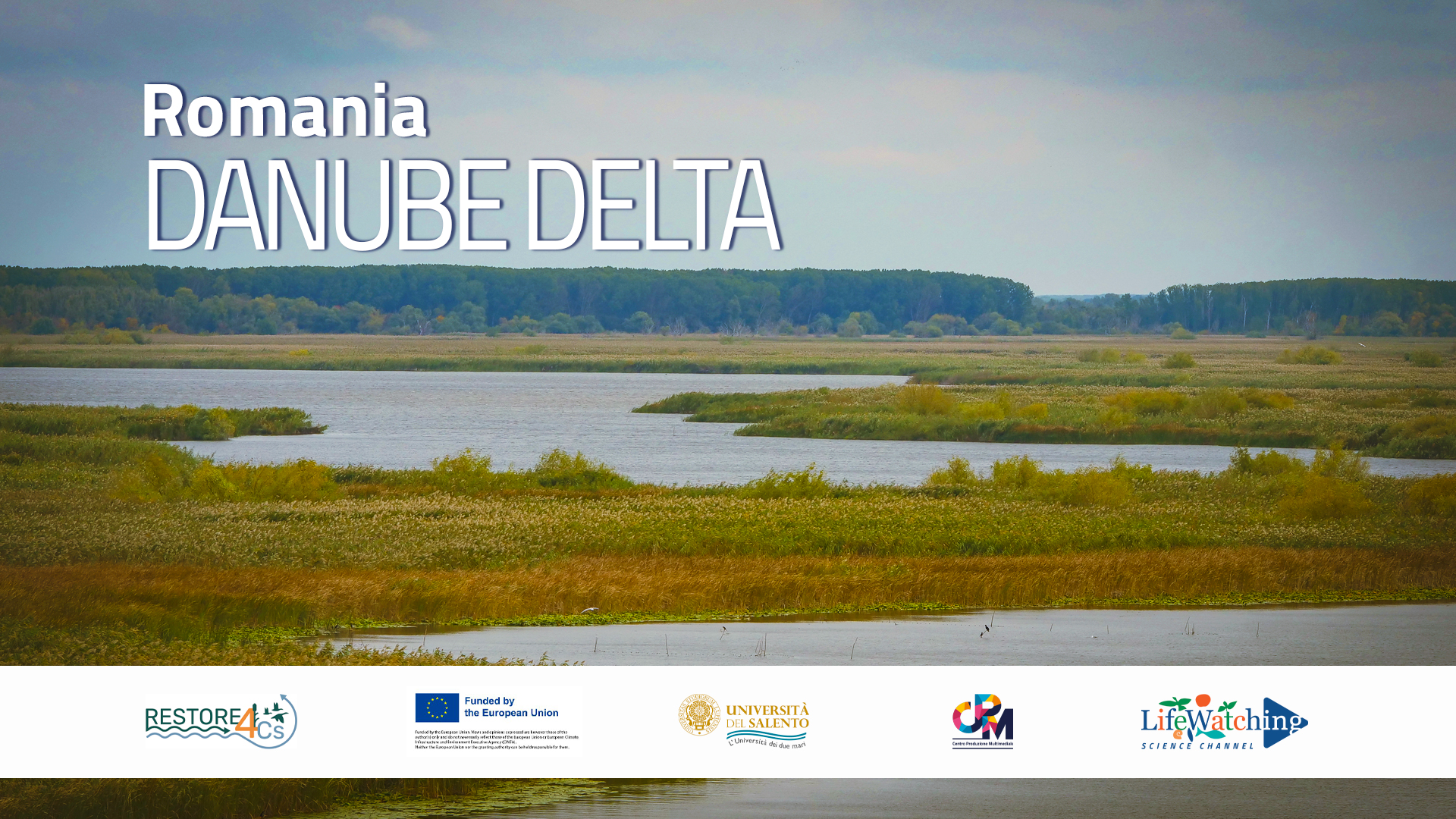
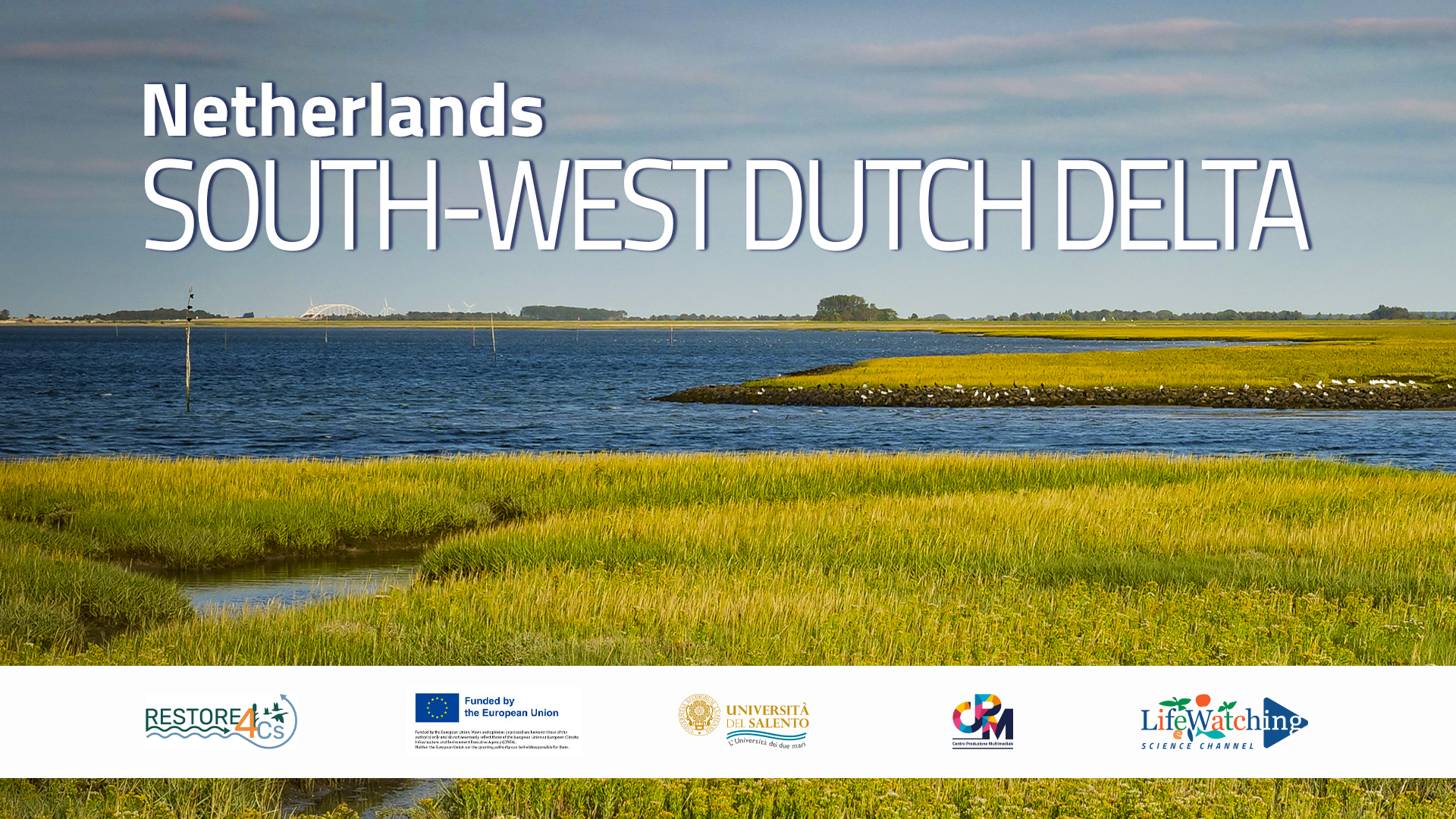
“Where Waters Breathe” is a visually rich documentary series that takes audiences to the living edge of Europe, where land, water, people, and climate meet. Developed within the EU-funded RESTORE4Cs project, this six-episode series journeys across some of Europe’s most emblematic coastal wetlands. From the Valencian Wetlands and the Camargue in the Mediterranean, to the Ria de Aveiro and the South-West Dutch Delta along the Atlantic coast, and onward to the Curonian Lagoon in the Baltic Sea and the Danube Delta in the Black Sea, each episode focuses on one RESTORE4Cs Case Pilot. Together, they showcase wetlands in different states of preservation, from well-conserved to heavily altered, and the diverse restoration solutions being tested and implemented across Europe.
Follow RESTORE4Cs’ Where Waters Breathe:
Website: https://www.restore4cs.eu/
LinkedIn: https://www.linkedin.com/company/restore4c
BlueSky: https://bsky.app/profile/restore4cs.bsky.social
Instagram: https://www.instagram.com/restore4cs/