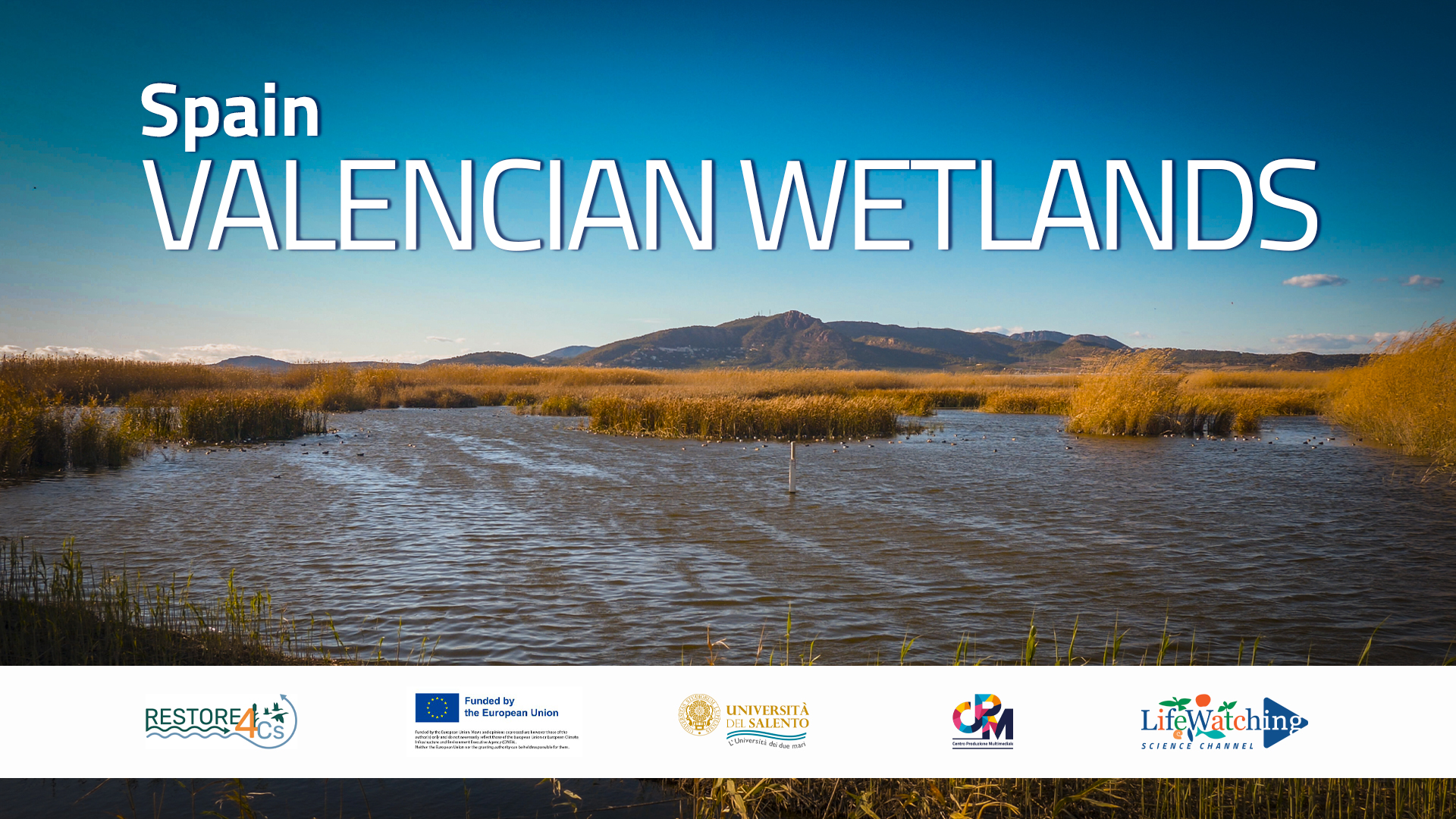
Where Waters Breathe | Valencian Wetlands – Spain | Documentary
Along the Valencian coast, small wetlands carry a long history and a fragile future.
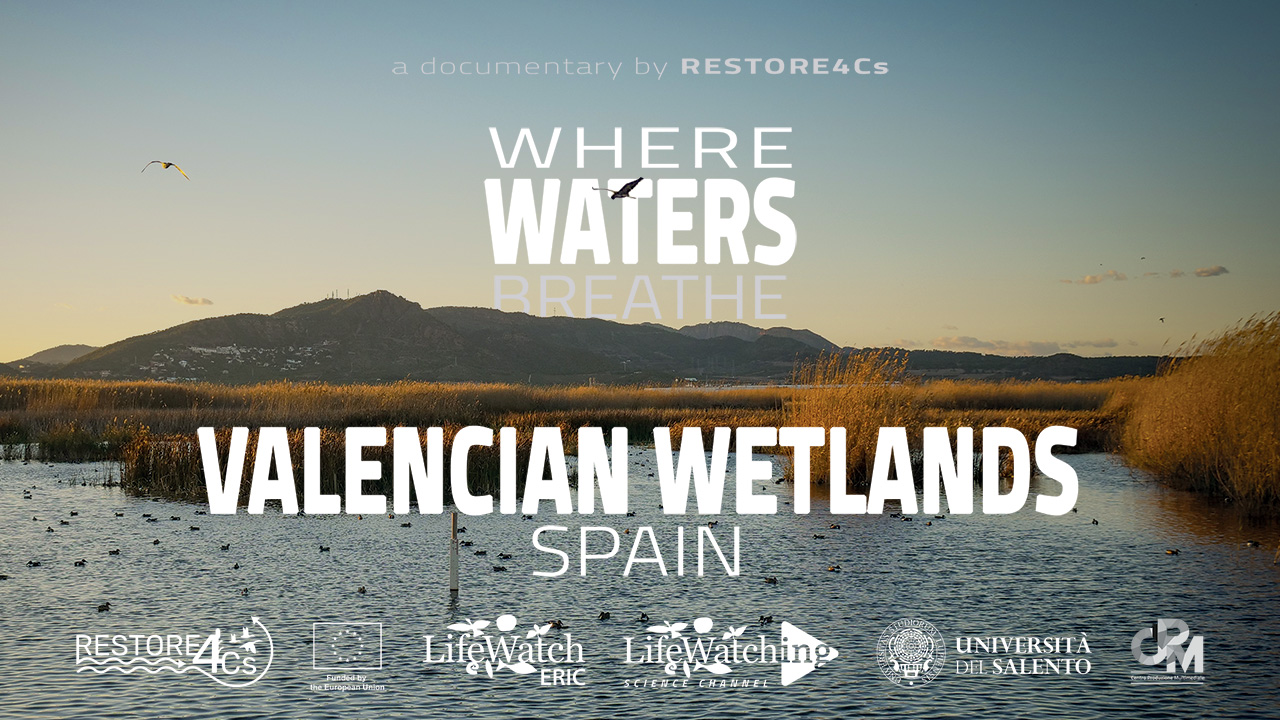
In this episode of “Where Waters Breathe”, we explore the Marjal dels Moros, a coastal marsh where restoration, community action and climate resilience converge.
The Marjal dels Moros, a 620-hectare coastal wetland near Valencia, is one of the last surviving fragments of the extensive marshes that once stretched uninterrupted along the Mediterranean coast between the Ebro Delta and the Segura River. Today, surrounded by urban expansion, agriculture and industrial estates, it remains a rare and biodiverse enclave shaped by brackish waters, sediment flows from the Palancia River and centuries of human interaction.
Despite its modest size, the marsh supports remarkable biodiversity. Endangered fish such as Aphanius iberus and Valencia hispanica, rare crustaceans like Palaemonetes zariquieyi, and a rich community of migratory birds find refuge in its reedbeds, open waters and brackish channels. The site forms part of Natura 2000 and includes Special Protection Areas and Microreserves safeguarding priority habitats.
In this episode, environmental educators, fishers, conservationists and researchers recount decades of efforts to protect and restore this wetland. Once rice fields and agricultural mosaics, parts of the area were abandoned after industrial restructuring in the late 20th century. Following forty years of advocacy by local environmental groups, legal protection was secured, allowing restoration projects to begin in the 1990s.
Restoration actions have re-established water circulation, reopened channels, replanted macrophytes and reintroduced grazing as a tool for vegetation management. Maintaining good-quality water, and ensuring the proper functioning of sluice gates that connect marsh and sea, has been essential for ecological recovery. The return of young eels and the gradual improvement of habitat conditions testify to these efforts.
Yet the marsh remains under pressure. Urban development, industrial expansion, aquifer overuse and altered hydrology threaten water inputs and connectivity. New infrastructure risks increasing runoff pollution and disrupting fragile sediment balances. Local actors emphasise that wetlands not only host biodiversity, but also protect coastal towns from flooding and help regulate water quality and climate impacts.
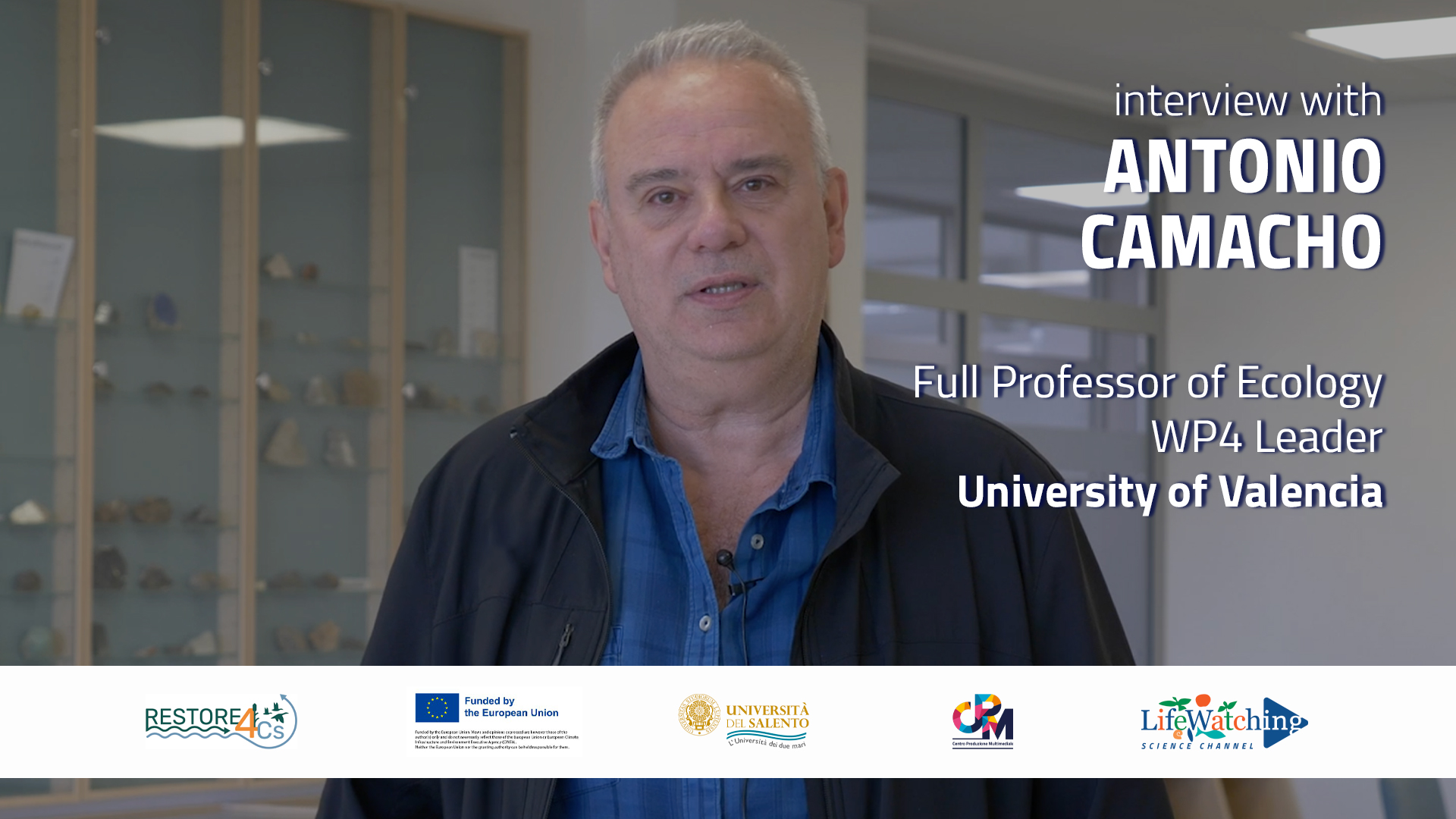
As part of the RESTORE4Cs Case Pilot, researchers from the University of Valencia monitor soil, vegetation and hydrological recovery, measuring greenhouse gas fluxes – CO₂ and methane – to evaluate the marsh’s role in climate mitigation. Healthy wetlands act as carbon sinks; degraded ones can become sources of emissions. Through modelling and field experiments, the project assesses how brackish marsh restoration can enhance blue carbon storage while strengthening resilience to sea-level rise.
The episode ultimately reveals that the future of Valencian wetlands depends on alliances between public administration, local communities, NGOs, researchers and even private companies. In the Marjal dels Moros, restoration is not only about protecting a habitat, but about redefining how Mediterranean coastal landscapes can adapt to climate change while sustaining both biodiversity and society.
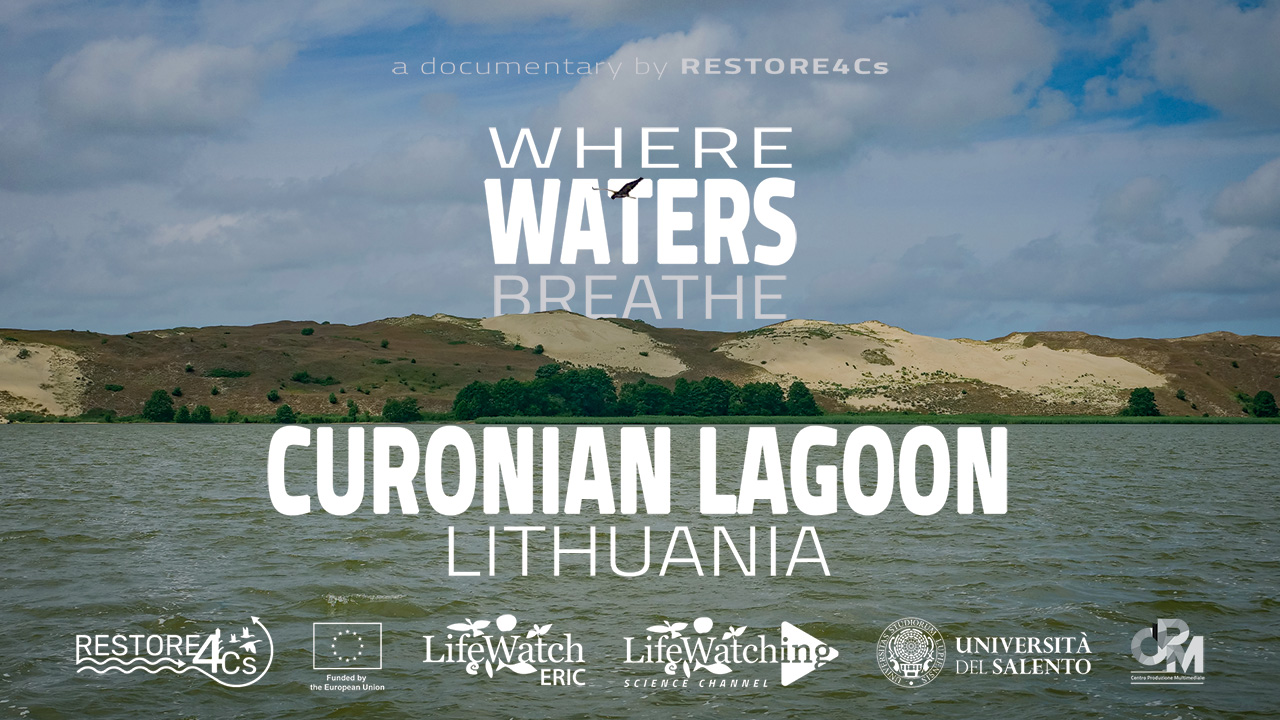
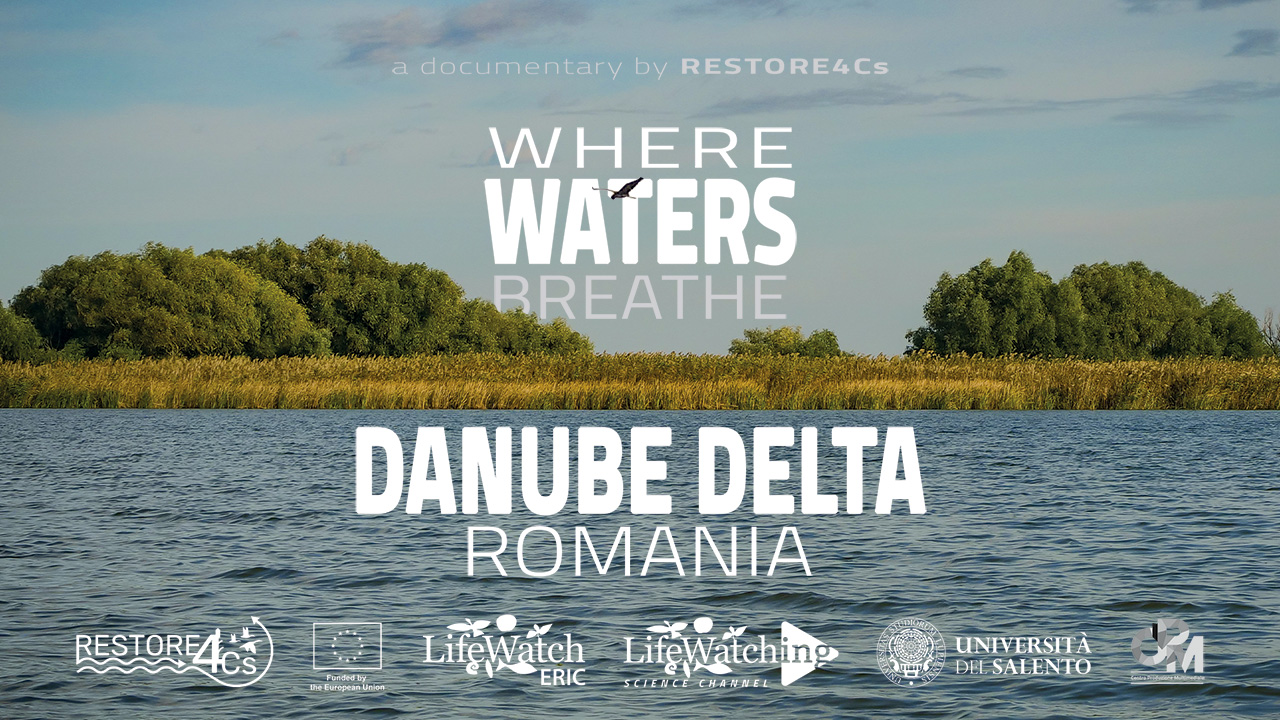
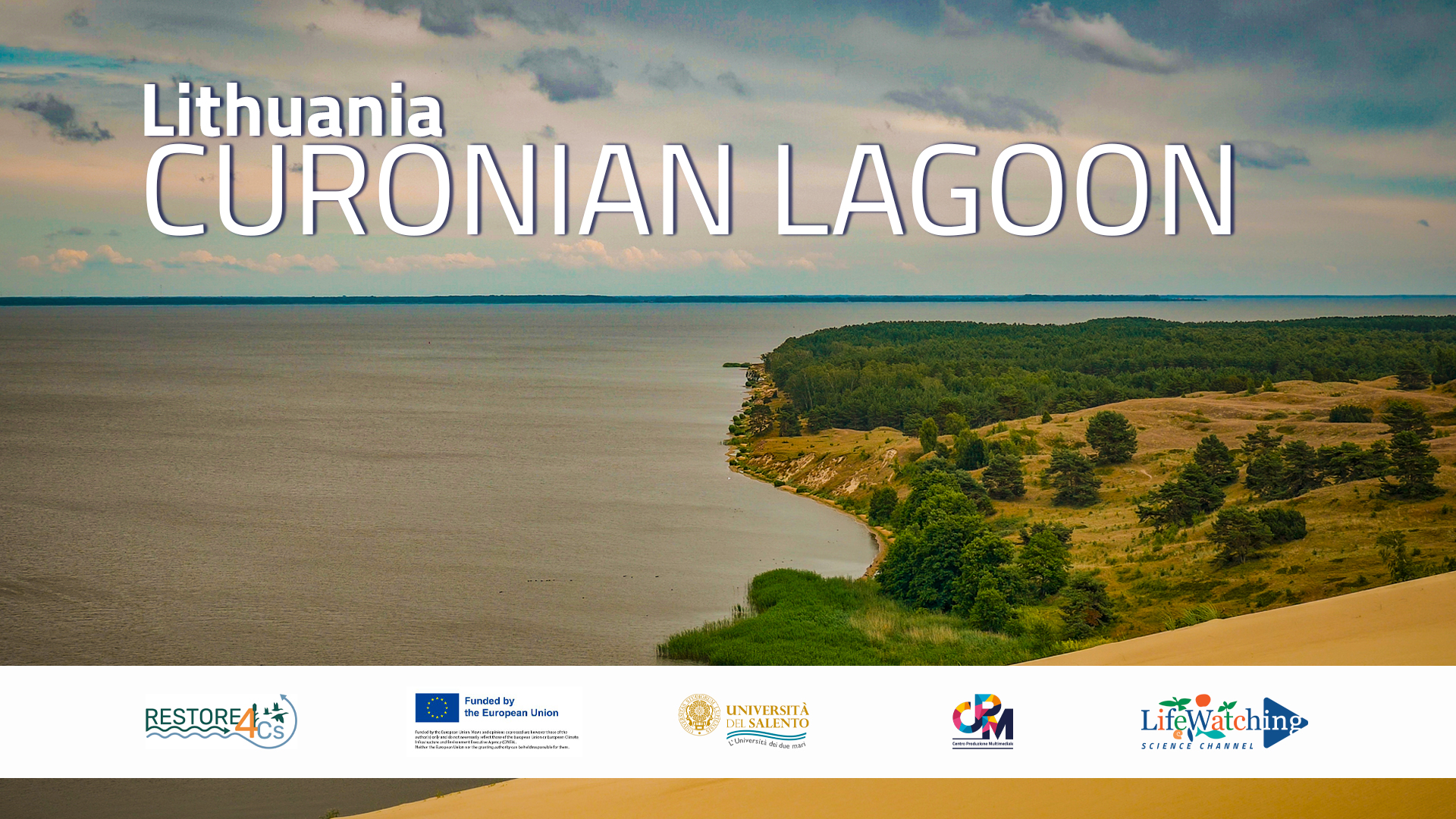
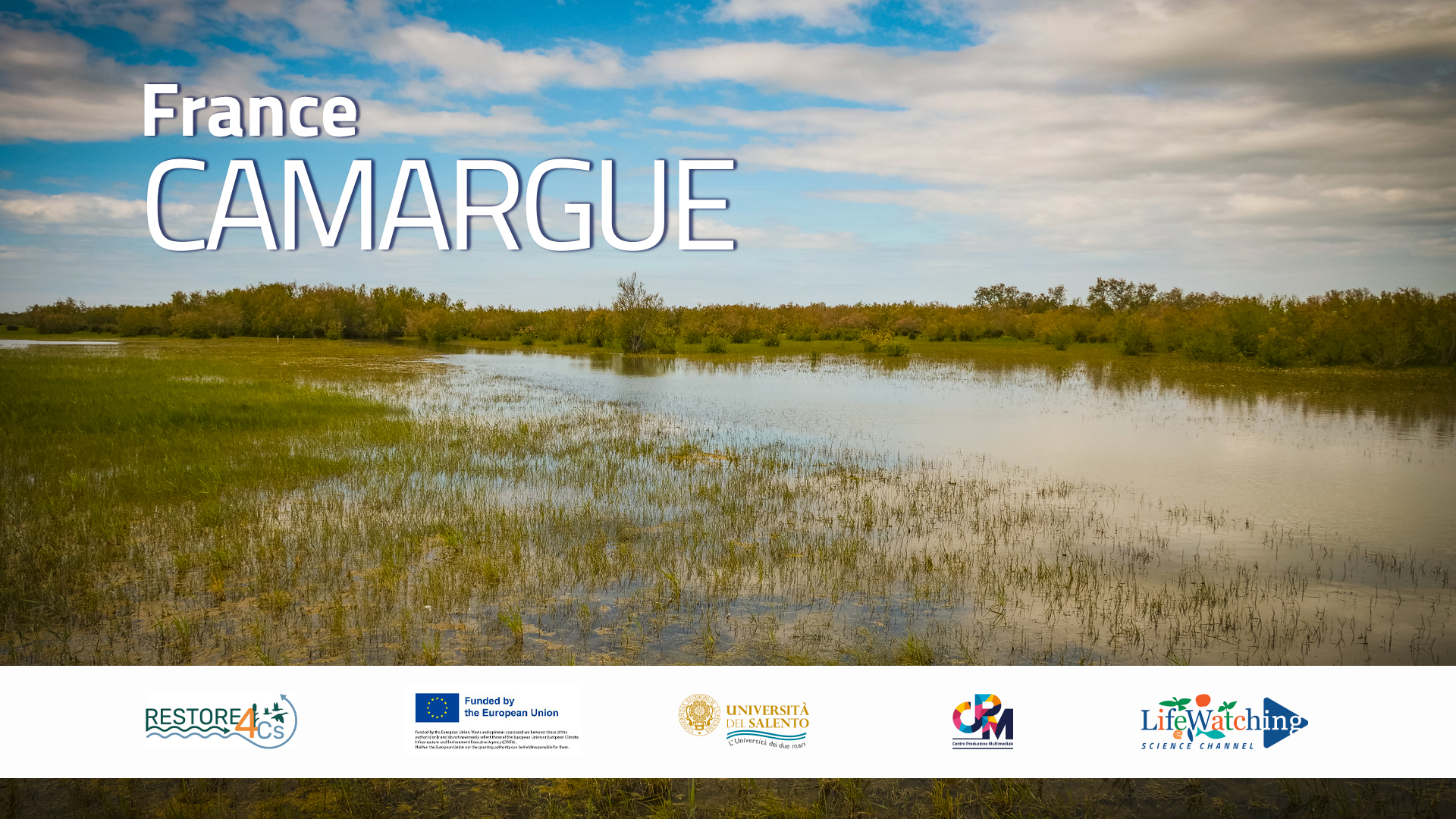
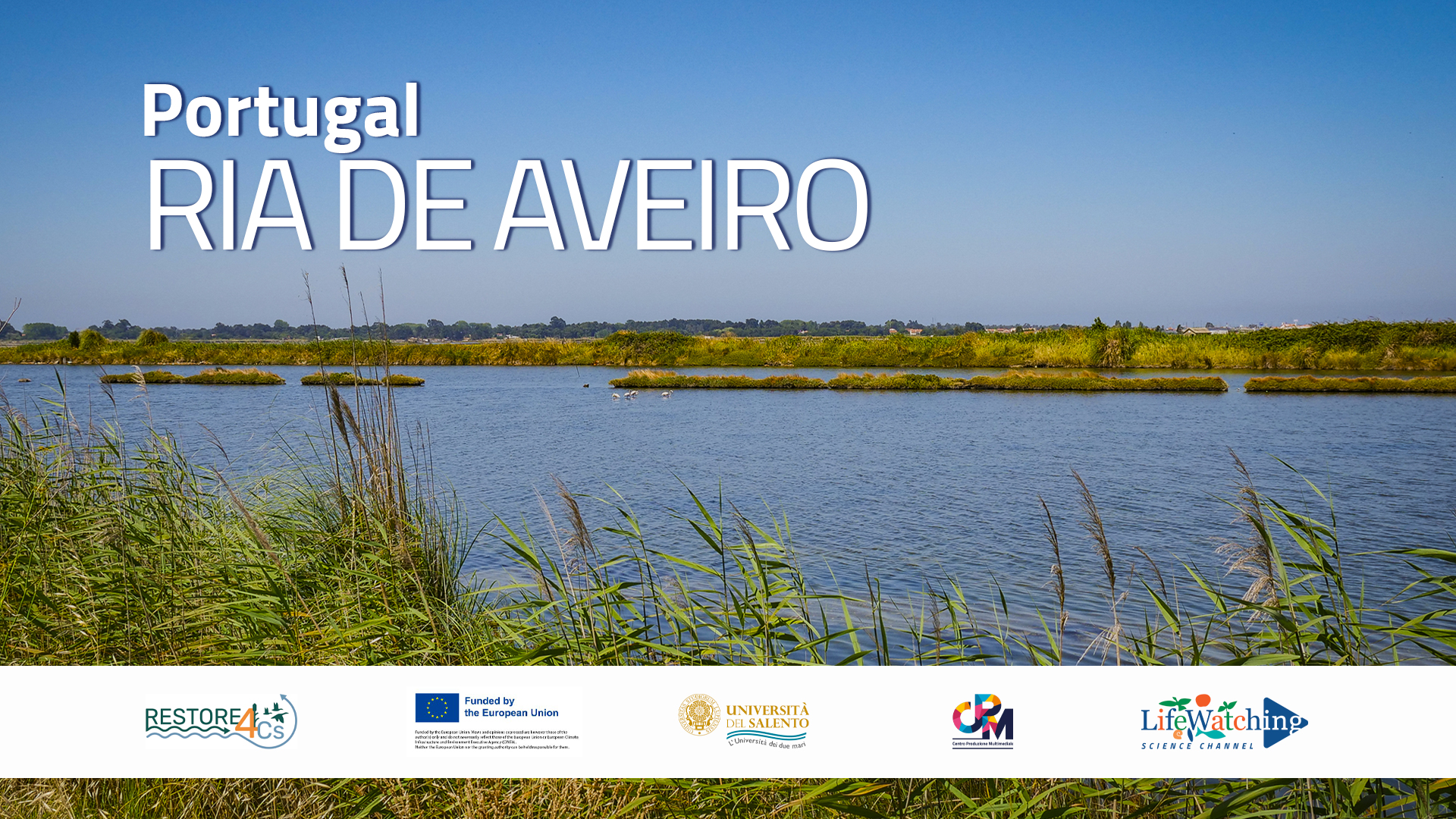
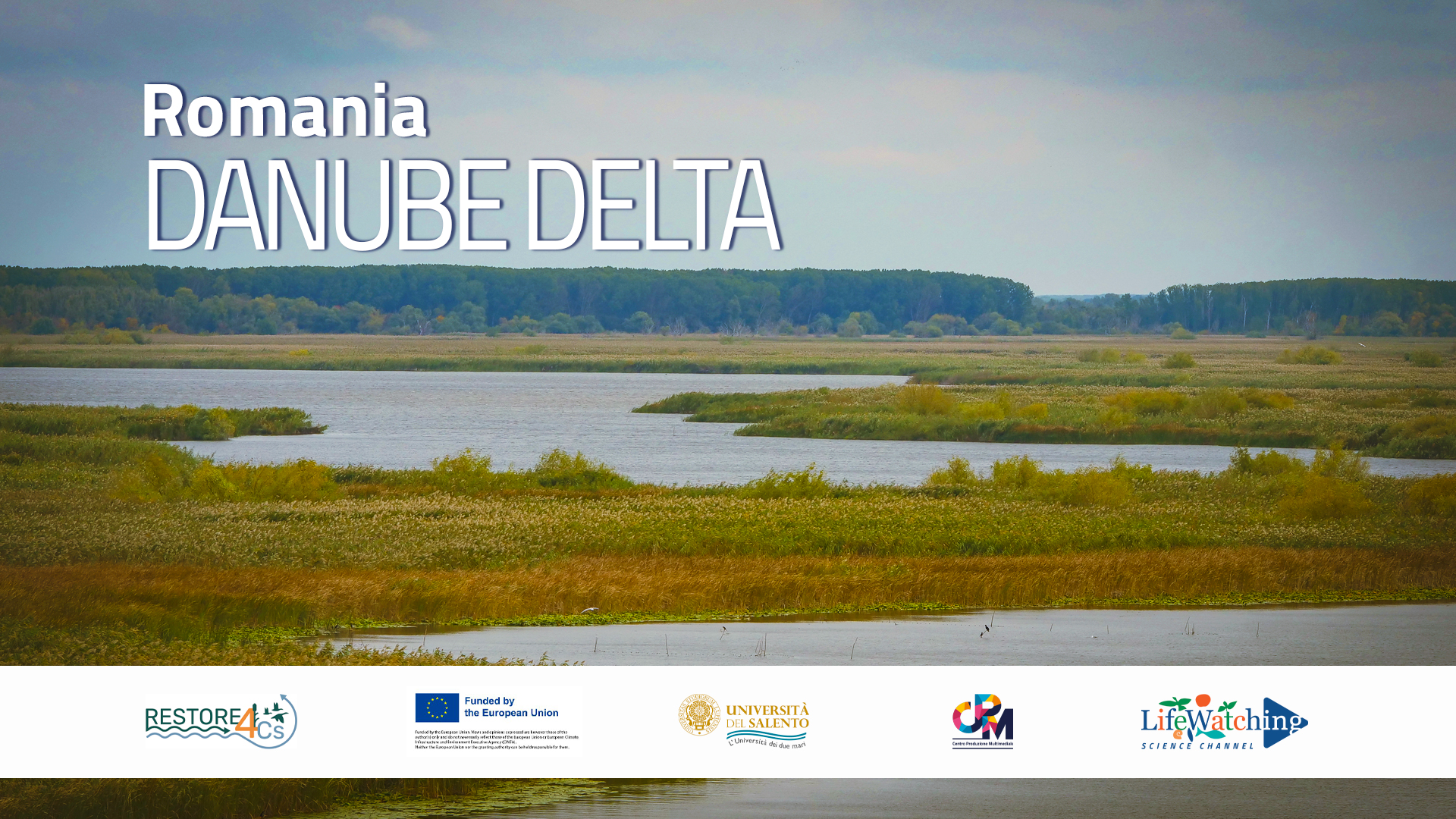
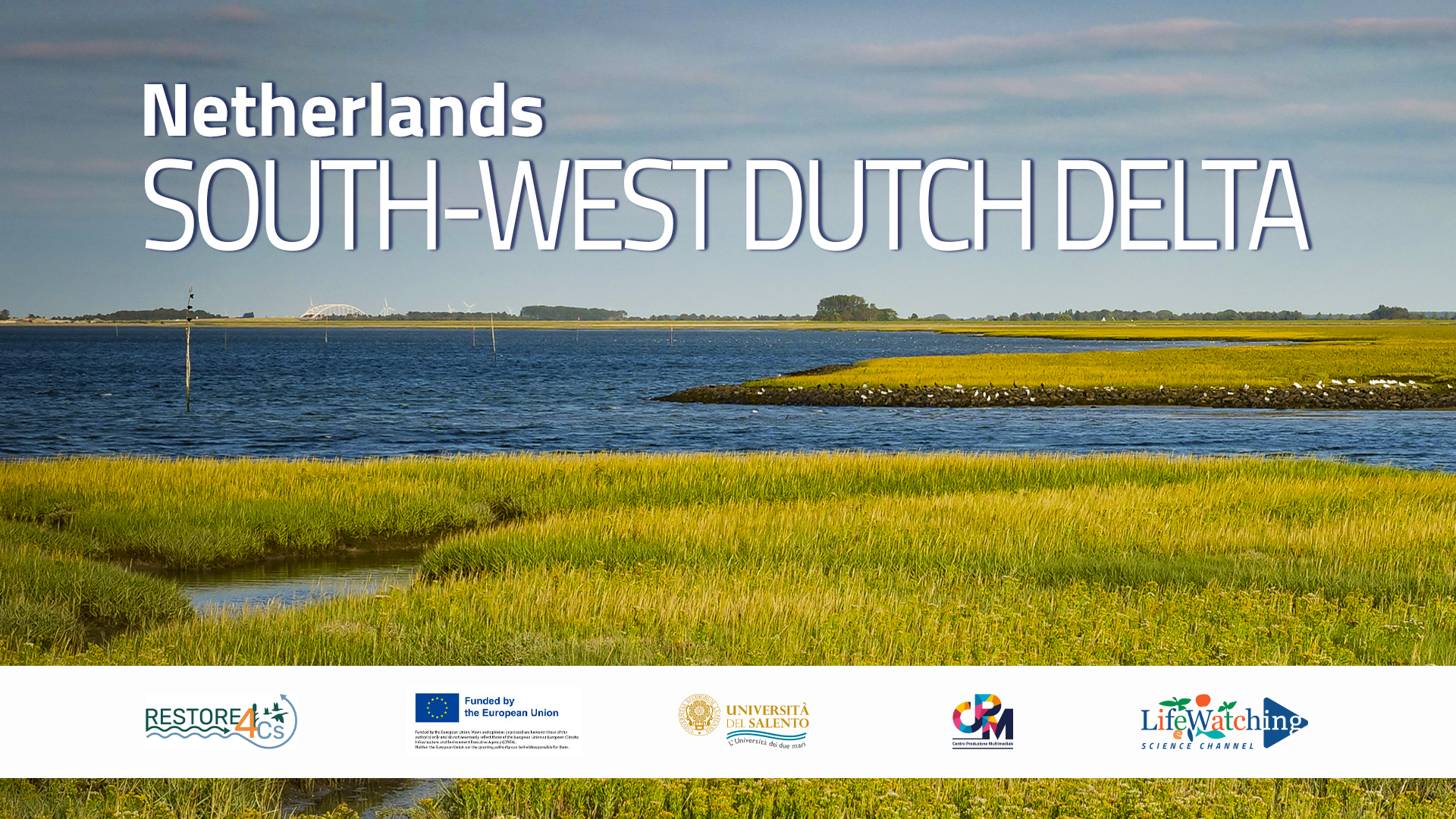
“Where Waters Breathe” is a visually rich documentary series that takes audiences to the living edge of Europe, where land, water, people, and climate meet. Developed within the EU-funded RESTORE4Cs project, this six-episode series journeys across some of Europe’s most emblematic coastal wetlands. From the Valencian Wetlands and the Camargue in the Mediterranean, to the Ria de Aveiro and the South-West Dutch Delta along the Atlantic coast, and onward to the Curonian Lagoon in the Baltic Sea and the Danube Delta in the Black Sea, each episode focuses on one RESTORE4Cs Case Pilot. Together, they showcase wetlands in different states of preservation, from well-conserved to heavily altered, and the diverse restoration solutions being tested and implemented across Europe.
Follow RESTORE4Cs’ Where Waters Breathe:
Website: https://www.restore4cs.eu/
LinkedIn: https://www.linkedin.com/company/restore4c
BlueSky: https://bsky.app/profile/restore4cs.bsky.social
Instagram: https://www.instagram.com/restore4cs/